
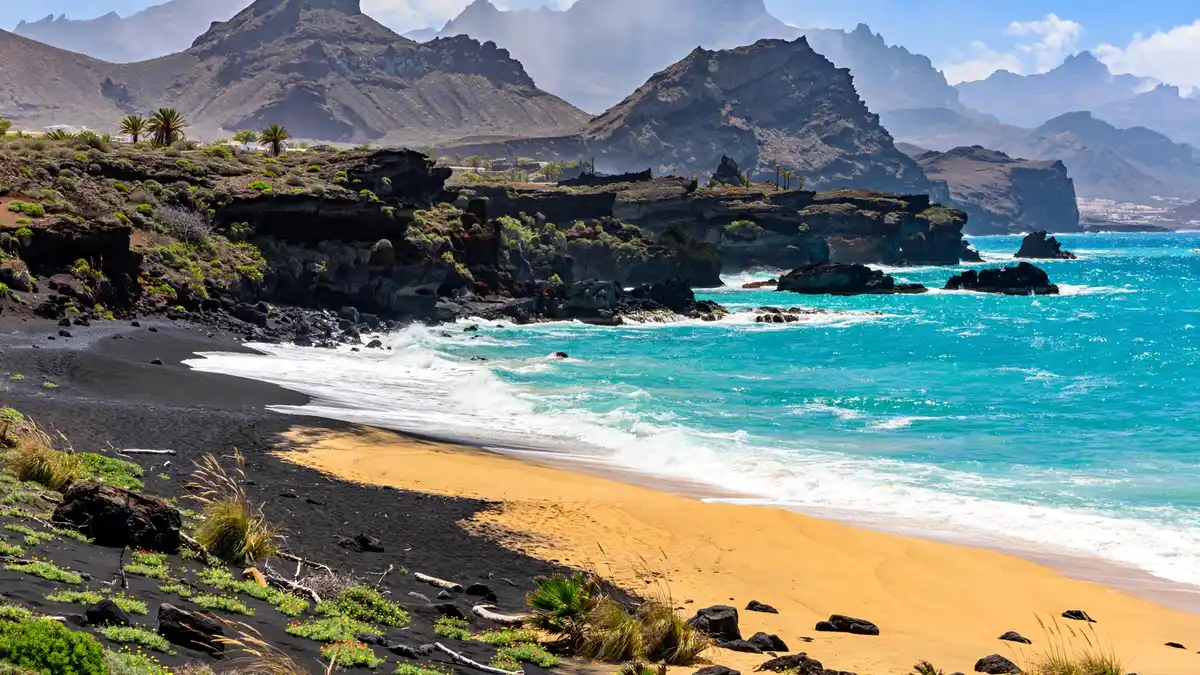
Seven main islands sit in the Atlantic off northwest Africa. However, they share sunshine and volcanic roots, yet they feel completely different. Moreover, each island suits a different kind of trip. Therefore, asking which Canary Island is best only works after you define your holiday. For example, surfers, hikers, and sunbathers rarely love the same island. In fact, the best place to visit in the Canary Islands depends on your priorities. Indeed, this guide gives you a clear verdict for every island.
Additionally, you will find honest warnings alongside the praise here. For instance, wind shapes life on Fuerteventura, and nightlife concentrates in specific resort zones. Similarly, quiet islands reward walkers but frustrate party seekers. Consequently, a little honesty now prevents a disappointing booking later. Meanwhile, readers planning a wider Spanish trip can explore our guide to the best places to visit in Spain for mainland ideas.
Short on time? Pick this one?
Verdict: Choose Tenerife for a first trip with mixed interests. However, choose Gran Canaria if beaches and city life matter equally. Moreover, pick Fuerteventura purely for sand and surf. In contrast, pick Lanzarote for volcanic drama and design. Furthermore, choose La Palma for stars and serious walking. Meanwhile, La Gomera suits slow, green escapes near Tenerife. Finally, El Hierro suits travelers who want almost nobody else around.
Indeed, most first-timers should start with Tenerife or Gran Canaria. Additionally, both islands offer two airports or large hubs, frequent flights, and varied resorts. Therefore, logistics stay simple, and rainy-day backups exist. On the other hand, repeat visitors often prefer the smaller islands. For example, La Palma and La Gomera feel wilder, greener, and calmer.
| Island | Best for | Vibe | Beaches |
|---|---|---|---|
| Tenerife | First trips, variety | Lively, diverse | Golden south, black north |
| Gran Canaria | Beaches plus city | Resort south, urban north | Dunes, long resort sands |
| Lanzarote | Volcanoes, design | Arty, low-rise | Golden coves, black sand |
| Fuerteventura | Sand, surf, kites | Laid-back, windy | Longest white sands |
| La Palma | Hiking, stargazing | Green, quiet | Small black-sand bays |
| La Gomera | Walking, slow travel | Rural, peaceful | Dark pebble coves |
| El Hierro | Solitude, diving | Remote, unspoiled | Natural pools, rocky coves |
Tenerife — the island that does a bit of everything?
Verdict — Best for: first-timers, families, and mixed groups. Skip if: you hate large resorts and busy attractions. However, you can dodge the crowds by basing yourself in the greener north. Moreover, Tenerife packs more variety into one island than any rival. For example, volcanoes, forests, cities, and beaches all sit within short drives.
Mount Teide dominates the center and anchors the island emotionally and geographically. Indeed, Mount Teide is Spain’s highest peak, and its national park feels almost lunar. Additionally, a cable car carries most visitors close to the summit area. However, summit access needs a permit, so book ahead in busy months. Meanwhile, the Anaga mountains in the northeast offer misty laurel forest trails. In contrast, the dry south delivers reliable beach weather almost daily.
Furthermore, towns split clearly between lively and local here. For instance, Costa Adeje and Los Cristianos bring polished resorts and boat trips. Similarly, Playa de las Américas concentrates nightlife, bars, and late music. On the other hand, Puerto de la Cruz feels older, greener, and more traditional. Additionally, La Laguna, a UNESCO-listed university city, adds history and student energy. Santa Cruz, meanwhile, hosts a famous carnival and a working port. History lovers can pair that heritage with our guide to the most important places to visit in Spain.
Consequently, Tenerife rarely bores anyone in a group. For example, Siam Park thrills children, while whale watching suits calmer travelers. Moreover, golfers, hikers, and food lovers all find strong options. Therefore, Tenerife wins when your group cannot agree on one style.
Gran Canaria — beaches, dunes, and a real capital?
Verdict — Best for: beach lovers who still want a city. Skip if: you want untouched wilderness straight from your hotel. However, the mountainous interior surprises many visitors with pine forests and villages. Moreover, the famous Tenerife vs Gran Canaria debate usually ends in a draw. Indeed, Tenerife feels grander, while Gran Canaria feels rounder and easier.
The Maspalomas dunes define the south and photograph beautifully at sunrise. Additionally, those rolling sands sit beside a long, walkable beach and a lighthouse. For instance, you can stroll from Maspalomas into Playa del Inglés in one morning. However, Playa del Inglés also forms the island’s main party zone. Meanwhile, Puerto de Mogán offers a prettier, calmer harbor alternative nearby. In contrast, the interior villages of Tejeda and Teror feel peaceful and traditional.
Furthermore, Las Palmas gives Gran Canaria something Tenerife cannot quite match. Indeed, the capital blends a city beach, Las Canteras, with an old town, Vegueta. Similarly, surfers ride waves at one end while families swim at the other. Additionally, museums, markets, and tapas bars fill rainy or cloudy hours easily. Therefore, Gran Canaria suits travelers who dislike pure resort holidays. Beach rankings often place it high, much like destinations in our list of the best places to visit in the world with beaches.
Lanzarote — volcanoes, vineyards, and striking design?
Verdict — Best for: design lovers, volcano fans, and calmer couples. Skip if: you need lush greenery or a big-city buzz. However, few European islands look as distinctive as Lanzarote does. Moreover, artist César Manrique shaped its low-rise, whitewashed style for decades. Consequently, buildings stay low, and landscapes stay protected and visible.
Timanfaya National Park covers the southwest with frozen lava seas. Indeed, Timanfaya National Park feels raw, silent, and almost Martian in places. Additionally, guided coach routes cross craters where ground heat still cooks food. For example, the El Diablo restaurant grills over volcanic heat daily. Meanwhile, Jameos del Agua turns a lava tunnel into art, gardens, and water. Similarly, Cueva de los Verdes reveals another vast underground volcanic tube.
Furthermore, the La Geria vineyards grow vines inside black ash pits. In fact, each pit shelters one vine behind a small stone wall. Therefore, wine tasting here feels unlike tasting anywhere else in Spain. On the other hand, beaches stay smaller than Fuerteventura’s endless strands. For instance, Papagayo’s golden coves near Playa Blanca reward short walks. Playa Blanca, meanwhile, gives families a relaxed, sunny southern base. Additionally, Puerto del Carmen offers more bars, restaurants, and apartments. Travelers comparing coasts can also browse our guide to places to visit in south east Spain for mainland contrasts.
Fuerteventura — the beach island with a windy warning?
Verdict — Best for: beach purists, surfers, and kitesurfers. Skip if: strong wind ruins your beach days. However, that same wind creates world-class conditions for water sports. Moreover, most travelers agree this is the best Canary Island for beaches overall. Indeed, long, pale sands stretch for miles, especially around Corralejo and Jandía.
The Lanzarote or Fuerteventura choice confuses many first-time bookers. For example, Lanzarote wins on volcanoes, art, and sightseeing variety. In contrast, Fuerteventura wins on sand, space, and surf. Additionally, the two islands sit close together across a short strait. Therefore, you can realistically visit both on one trip. Meanwhile, Corralejo’s dunes roll straight toward turquoise water and Lobos Island views.
Honestly, the wind deserves a clear warning before you book. Furthermore, summer trade winds can sandblast exposed beaches on blustery days. However, sheltered coves and leeward beaches usually offer calmer alternatives nearby. For instance, Caleta de Fuste stays relatively protected and suits families well. Similarly, El Cotillo’s lagoons feel gentler than open Atlantic strands. On the other hand, Sotavento’s huge tidal lagoon thrills kitesurfers enormously.
Additionally, inland Fuerteventura feels sparse, quiet, and almost desert-like. Indeed, old capital Betancuria adds churches, museums, and welcome greenery. Moreover, goat cheese, especially Majorero, gives the island a tasty signature. Consequently, Fuerteventura rewards travelers who slow down and drive around. Sand lovers comparing continents may also enjoy our wider list of places to visit in the world for future trips.
La Palma — green trails and the darkest skies?
Verdict — Best for: hikers, photographers, and stargazers. Skip if: long sandy beaches top your wish list. However, La Palma, nicknamed La Isla Bonita, feels lush and dramatic. Moreover, La Palma stargazing ranks among the finest experiences in Europe. Indeed, strict light controls protect exceptionally dark night skies here.
The Roque de los Muchachos observatory crowns the island’s northern rim. Additionally, telescopes there study the universe above a sea of clouds. For example, sunset viewpoints nearby often float above white cloud layers. Meanwhile, Caldera de Taburiente National Park cuts a vast crater through the center. Furthermore, pine forests, waterfalls, and steep trails fill that huge bowl. Therefore, many walkers call this the best Canary Island for hiking overall.
On the other hand, beaches stay small, dark, and sometimes steep. For instance, Puerto Naos offers the most resort-like black-sand beach experience. Similarly, Santa Cruz de La Palma charms visitors with colorful colonial balconies. Additionally, the island still discusses recovery after the 2021 Cumbre Vieja eruption. Consequently, some western areas changed, and local guidance matters there. Romance seekers, however, often rank La Palma as the best Canary Island for couples seeking quiet nature.
La Gomera — misty forests a short ferry from Tenerife?
Verdict — Best for: walkers, slow travelers, and nature lovers. Skip if: you need nightlife, shopping, or large hotels. However, La Gomera sits surprisingly close to busy southern Tenerife. Moreover, a short ferry ride swaps resorts for ravines and forests. Indeed, Garajonay National Park protects ancient laurel forest in the center.
Furthermore, trails cross the island in almost every direction. For example, routes drop from misty ridges into palm-filled valleys below. Additionally, the whistled language, Silbo Gomero, still echoes across deep ravines. In fact, teachers still pass that UNESCO-recognized tradition to local children. Meanwhile, Valle Gran Rey draws laid-back visitors to its western valley. Similarly, Agulo and Hermigua offer pretty, quiet northern village bases.
On the other hand, beaches remain mostly dark, pebbly, and modest. Therefore, swimmers should expect natural coves rather than resort sands. However, that modesty keeps crowds away for most of the year. Consequently, La Gomera often wins the quietest Canary Island debate among walkers. Additionally, many visitors combine it with Tenerife in one holiday. Nature-first travelers may also like comparing it with our guide to the best place to visit in the Philippines for island contrasts.
El Hierro — the remote island at the edge of the map?
Verdict — Best for: solitude seekers, divers, and repeat visitors. Skip if: you want direct flights and easy logistics. However, El Hierro, the smallest main island, feels wonderfully unhurried. Moreover, renewable energy projects have made it a sustainability pioneer. Indeed, wind and water power much of this compact island.
Furthermore, divers praise the clear waters around La Restinga marine reserve. For example, volcanic seabeds there attract rays, turtles, and rich marine life. Additionally, natural rock pools replace classic sandy beaches along many coasts. Charco Azul, for instance, offers a sheltered, photogenic swimming spot. Meanwhile, twisted juniper trees at El Sabinar show centuries of wind. In contrast, the interior hides pine forests, viewpoints, and tiny villages.
Therefore, El Hierro suits travelers who measure luxury as silence. However, limited flights and ferries demand flexible planning here. Additionally, Valverde, the small capital, sits inland rather than on a beach. Consequently, you will need a car to explore comfortably. On the other hand, that effort keeps the island blissfully uncrowded. Winter walkers who love quiet mountains may also enjoy our guide to the best place in Switzerland to visit in winter.
When should you go for the best weather?
Canary Islands weather stays mild across the whole year, broadly speaking. However, the south coasts of Tenerife and Gran Canaria run sunniest. Moreover, northern coasts feel greener, cloudier, and slightly cooler in winter. Therefore, base location matters almost as much as island choice. For example, a few miles can separate cloud from clear sunshine.
Furthermore, spring and autumn balance warmth, value, and thinner crowds beautifully. Indeed, many locals call late spring the sweet spot for hiking. Additionally, summer brings stronger winds, especially on Fuerteventura and Lanzarote. Meanwhile, the sea feels warmest from late summer into early autumn. Consequently, swimmers often prefer September and October for comfort.
The best Canary Island for winter sun is usually Tenerife or Gran Canaria. However, Fuerteventura and Lanzarote also deliver bright, dry winter days. In fact, Canary Islands in December still allow T-shirt afternoons in sheltered resorts. Additionally, Christmas and New Year weeks bring the year’s highest prices. Therefore, book December flights and hotels earlier than usual. On the other hand, January after the holidays often feels calmer and cheaper.
How does Canary Island hopping actually work?
Canary Island hopping works well because ferries and flights link every island. However, distances vary, so smart pairings save hours and stress. Moreover, eastern islands pair naturally, and western islands pair naturally too. For example, Lanzarote and Fuerteventura sit just a short crossing apart. Similarly, Tenerife connects easily with La Gomera, La Palma, and El Hierro.
Furthermore, ferries between Tenerife and La Gomera take about 50 minutes. Additionally, ferries between Lanzarote and Fuerteventura take about 25 to 35 minutes. Meanwhile, fast ferries between Tenerife and Gran Canaria take about 80 minutes. In contrast, Tenerife to La Palma takes about two and a half hours by ferry. El Hierro, however, needs about two hours and twenty minutes from Tenerife. Therefore, day trips suit only the closest island pairings realistically.
Flights, meanwhile, shrink longer jumps across the archipelago significantly. Indeed, inter-island flights commonly last about 30 to 60 minutes. Additionally, regional airlines connect the islands several times each day. Tenerife has two airports, Tenerife South and Tenerife North. Gran Canaria, Lanzarote, and Fuerteventura each have one main airport. La Palma also has its own airport near Santa Cruz. La Gomera and El Hierro, however, have small airports with limited routes. Consequently, many travelers reach those two islands via Tenerife instead.
Party zones, quiet zones, and other honest notes?
Honestly, every big island splits into lively and quiet halves. However, brochures rarely explain that split clearly before you book. For example, Playa de las Américas parties hard, while northern Tenerife stays local. Similarly, Playa del Inglés buzzes, while Puerto de Mogán whispers. Moreover, Puerto del Carmen livens Lanzarote, while Playa Blanca stays family calm.
Furthermore, wind shapes comfort more than temperature on eastern islands. Indeed, a breezy day can feel cool despite bright sunshine overhead. Therefore, pack a light layer even for summer evenings everywhere. Additionally, mountain areas like Teide can feel near freezing in winter. On the other hand, southern beaches may still invite swimming then. Consequently, one suitcase needs both swimwear and a warm jacket.
Finally, distances surprise visitors who expect tiny island driving times. For instance, mountain roads twist slowly on La Palma and La Gomera. Moreover, Teide routes climb high and demand unhurried, careful driving. However, good roads link resorts and airports on the larger islands. Therefore, rent a car if villages and viewpoints matter most.
Frequently asked questions?
Which island is best for a first visit?
Tenerife usually wins for first visits because variety reduces risk. However, Gran Canaria suits you better if beaches matter most. Moreover, both islands offer frequent flights and many hotel styles. Therefore, choose Tenerife for sights, and Gran Canaria for sand.
Which island has the best beaches overall?
Fuerteventura leads for long, pale, natural beaches overall. Additionally, Gran Canaria offers the best mix of resorts and dunes. Meanwhile, Tenerife mixes golden southern sands with wilder northern shores. Consequently, beach purists pick Fuerteventura, while families often pick Gran Canaria.
Can you visit two islands in one trip?
Yes, and pairing nearby islands works especially well. For example, Lanzarote pairs easily with Fuerteventura by short ferry. Similarly, Tenerife pairs smoothly with La Gomera in under an hour. Therefore, split a ten-day trip between two contrasting islands happily.
Which island is quietest for a peaceful break?
El Hierro feels quietest overall because visitor numbers stay low. However, La Gomera runs close, especially outside Valle Gran Rey. Moreover, La Palma also stays peaceful away from its small capital. Consequently, choose El Hierro for solitude, and La Gomera for walking.
Is December a good time to visit?
Yes, December brings mild days and festive, relaxed resort atmospheres. Indeed, southern Tenerife and Gran Canaria feel warmest then. However, prices peak around Christmas and New Year weeks. Therefore, book early, and pack layers for evenings and mountains.
Do you need a car on the islands?
Large resorts work without a car thanks to buses and tours. However, villages, trailheads, and hidden coves reward drivers greatly. Moreover, La Palma, La Gomera, and El Hierro almost demand one. Consequently, rent a car if independent exploring matters to you.



