
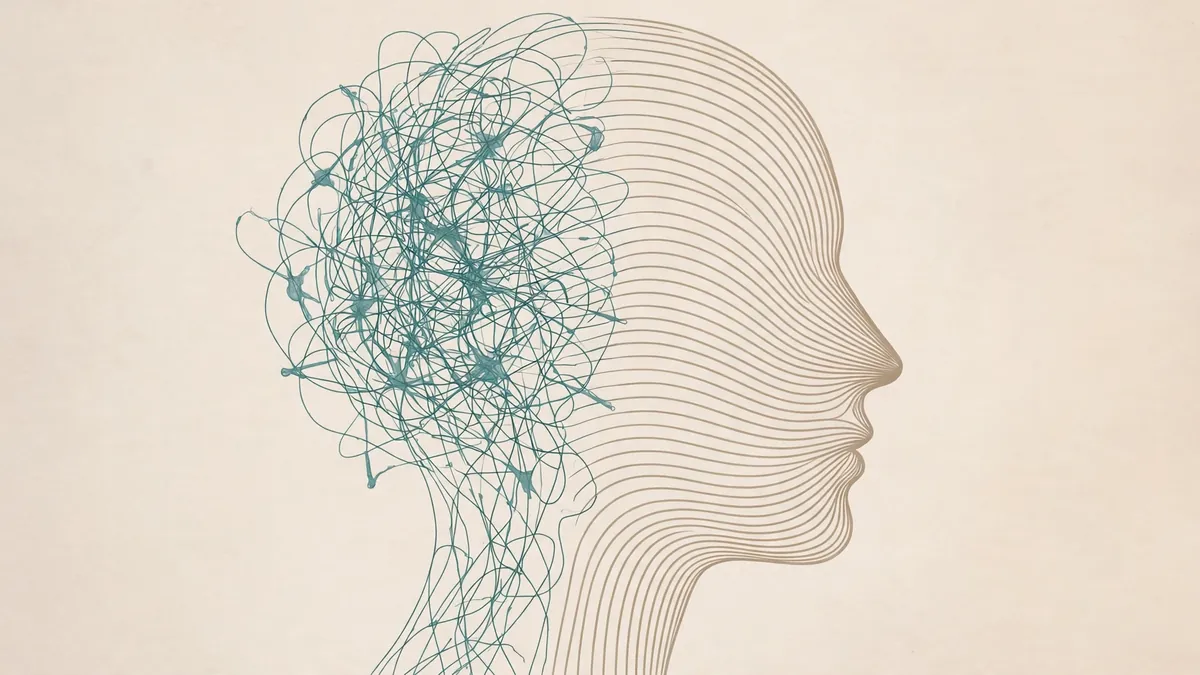
Crystal meth can change how a person feels, thinks, and sleeps. In fact, the mental effects often appear before many physical problems do. So, families may notice anxiety or suspicion long before they understand the cause. This guide explains crystal meth mental health effects in plain, calm language. It also explains why help works best when support starts early.
The information here is educational, and it is not medical advice. Still, it follows evidence summarised by the National Institute on Drug Abuse, or NIDA. For example, NIDA links methamphetamine with anxiety, paranoia, hallucinations, and lasting mood problems. Therefore, this article treats those effects as serious health issues, not personal failures. People who use methamphetamine deserve clear information and respectful care.
What does methamphetamine do in the brain?
Methamphetamine is a powerful stimulant, and it acts mainly on brain reward circuits. In simple terms, dopamine and methamphetamine are closely linked in those circuits. Dopamine helps the brain register reward, motivation, and movement. So, a surge in dopamine can feel intense and unusually rewarding.
That surge does not stay balanced for long, though. Instead, the brain starts to adapt to repeated stimulation. As a result, everyday pleasures can feel flat or hard to reach. Besides, stress systems in the brain can become more reactive over time. Consequently, small worries may feel bigger, and sleep may become harder to settle.
Clinicians also describe changes in learning and memory circuits. For example, NIDA reports links between long-term use and reduced verbal learning. Similarly, research links repeated use with slower movement and weaker attention. Therefore, the long-term effects of meth on the brain involve both mood and thinking. Those effects help explain why recovery often needs time and structured support.
What are the short-term mental effects?
At first, many people report energy, confidence, and a brighter mood. In fact, alertness can rise quickly, and tiredness can seem to vanish. Yet, that lift is unstable, and it often gives way to tension. So, methamphetamine and anxiety frequently appear together, even early on.
Anxiety can show up as racing thoughts or a constant sense of dread. Besides, a person may feel restless, irritable, or unable to sit still. For example, small noises may feel startling, and ordinary tasks may feel urgent. Therefore, concentration can narrow, even while energy feels high.
Agitation is another commonly reported effect, and it can unsettle relationships. Still, agitation does not always look loud or angry. Sometimes, it looks like pacing, rapid speech, or repeated checking. In contrast, some people become quiet, watchful, and hard to reassure. Either pattern can strain trust at home and at work.
What happens during the crash?
The crash follows the high, and it can feel like a sharp reversal. So, the meth crash often brings exhaustion, low mood, and strong cravings. In fact, joy can drop away quickly, and motivation can disappear. Consequently, a person may sleep for long periods, yet still wake unrefreshed.
The meth crash and mood changes can also include tearfulness and irritability. Besides, anxiety may return as the body and brain rebalance. Therefore, the days after use can feel confusing for everyone involved. Families can learn more about steady daily care through compassionate home healthcare support, for example. Still, a severe crash needs professional assessment, not home care alone.
Why does sleep loss matter so much?
Sleep deprivation and meth use often reinforce each other in a difficult cycle. Methamphetamine can keep a person awake for long stretches, so sleep debt builds fast. In fact, tired brains judge risk poorly and react more strongly to threat. Therefore, suspicion and fear can grow as exhaustion deepens.
Binge patterns make this cycle worse, because use repeats before recovery can happen. So, a person may stay awake across several nights during a binge. As a result, thinking becomes disorganised, and emotions become harder to control. Besides, missed meals and isolation can add further strain during those periods.
Healthy sleep habits matter for children and adults alike, in a broader sense. For example, our guide to healthy evening routines and sleep shows how evenings shape rest. Yet, sleep loss linked to methamphetamine is far more severe than a late night. Consequently, restoring sleep becomes a central goal in early recovery. Clinicians therefore watch sleep closely when they assess mental symptoms.
What is meth-induced psychosis?
Meth-induced psychosis is a well-documented risk, and it can feel frightening. In this state, a person loses touch with shared reality in some way. So, stimulant psychosis symptoms can include fixed false beliefs and vivid hallucinations. Therefore, early recognition matters, because support and safety come first.
Paranoia from meth use is one of the most commonly reported features. For example, a person may believe that others plan to harm them. Besides, they may misread neutral comments as threats or plots. In fact, that fear can feel completely real to the person experiencing it. Arguing about the belief rarely helps in the moment, though.
Hallucinations can involve sounds, voices, or sights that others do not share. Sometimes, people report a crawling feeling on or under the skin. Still, not every person experiences the same mix of symptoms. Similarly, delusions can focus on jealousy, persecution, or grand importance. Consequently, behaviour may seem puzzling to family members who lack context.
- Paranoid delusions, such as a belief that others intend harm
- Auditory hallucinations, such as hearing voices when alone
- Visual hallucinations, such as seeing movement or figures
- Disorganised thinking, with jumping or hard-to-follow speech
- Strong agitation or fear linked to those beliefs
These stimulant psychosis symptoms need prompt professional evaluation, in every case. So, families should seek urgent help if safety feels at risk. Besides, clinicians need to rule out other medical and psychiatric causes. Therefore, a careful assessment protects the person and guides treatment. Local primary care can be a first step toward that assessment.
How can psychosis mimic schizophrenia?
Meth-induced psychosis can closely mimic schizophrenia during an acute episode. In fact, clinicians cannot always separate the two on symptoms alone. For example, both conditions can involve paranoia, hallucinations, and disorganised speech. So, history, timing, and follow-up become essential parts of diagnosis.
Time course offers one important clue for clinicians, though. Psychosis linked to methamphetamine often improves as the drug clears and sleep returns. Yet, schizophrenia usually follows a longer, independent pattern over time. Therefore, doctors observe symptoms across days and weeks before concluding. Besides, they ask about prior episodes, family history, and other substances.
Readers who want broader healthcare context can explore expert-led healthcare innovation, for instance. Still, psychosis always needs direct, in-person clinical judgement. Online information can support understanding, but it cannot replace diagnosis. Consequently, families should treat persistent symptoms as a reason to seek care.
How long can psychotic symptoms last?
For many people, psychotic symptoms ease within days as sleep recovers. In fact, NIDA notes that symptoms can sometimes last much longer in some cases. So, a smaller group experiences symptoms for weeks or even months. Therefore, follow-up matters even after the first episode seems to pass.
Stress can also trigger a return of symptoms in vulnerable people. Besides, renewed use can bring psychosis back more quickly than before. As a result, prevention plans in recovery often focus on sleep and stress. Yet, lasting symptoms do not mean that recovery is impossible. Continued care can still improve safety, function, and quality of life.
What are the long-term effects on mental health?
Repeated use can leave lasting changes in mood and motivation. So, the long-term effects of meth on the brain may include persistent anxiety. In fact, depression and a loss of pleasure are also commonly reported. Therefore, clinicians screen for mood disorders throughout recovery, not only at intake.
Meth-related cognitive problems can affect daily life in practical ways. For example, memory lapses can disrupt work, study, and appointments. Besides, planning and impulse control can weaken after prolonged use. Similarly, verbal learning may suffer, so conversations can feel harder to follow. Consequently, simple routines and written reminders can help during recovery.
Some people face a possible lasting psychosis risk after repeated episodes. Still, outcomes vary widely, and no single path fits everyone. Yet, repeated psychosis, heavy use, and poor sleep raise concern for clinicians. Therefore, early treatment offers the best chance to limit further episodes. Support from community services can also reduce isolation during that work.
Community clinics often provide screening and referrals for complex needs. For example, the Dothan health department services guide explains local public health support. Similarly, the Chafee Health Center guide outlines community healthcare access. Such services cannot treat psychosis alone, though. Instead, they can connect people with mental health and addiction specialists.
What happens during withdrawal?
Withdrawal begins as the drug leaves the body, and mood often drops. So, meth withdrawal depression is a central concern in the early days. In fact, a person may feel empty, hopeless, or unable to enjoy anything. Therefore, close support and monitoring matter during this window.
Anxiety, fatigue, and intense cravings also commonly appear in withdrawal. Besides, sleep may swing between insomnia and very long sleep. For example, vivid dreams can disturb rest even after exhaustion fades. Consequently, the first phase of recovery can feel unstable and discouraging. That instability is temporary for many people, though.
Paranoia can linger into withdrawal for some people as well. Still, lingering paranoia does not always mean psychosis will persist. Yet, clinicians take any ongoing suspicion or hallucination seriously. So, they reassess symptoms as sleep, nutrition, and hydration improve. Readers can also review Aza Health community care in Palatka for general clinic context. Professional addiction care remains the right route for withdrawal support, however.
Why are some people more vulnerable?
Vulnerability differs from person to person, and blame helps no one. In fact, a prior mental illness can raise the risk of severe symptoms. For example, people with prior psychosis may relapse more easily under stimulant effects. Therefore, clinicians ask carefully about past diagnoses and treatment.
Family history also matters, in general terms, for psychosis risk. So, a close relative with a psychotic disorder can signal higher vulnerability. Besides, early trauma and chronic stress can shape brain stress responses. Similarly, heavy use, long binges, and severe sleep loss add further risk. Consequently, risk reflects a mix of biology, history, and circumstances.
Other health conditions can complicate the picture at the same time. Yet, vulnerability never makes harm inevitable or deserved. Instead, it helps clinicians plan safer, more personalised support. So, honest history sharing can improve care, even when it feels hard. Trusted primary care teams can hold that conversation with discretion.
Can mental health improve during recovery?
Recovery from methamphetamine use is possible, and improvement often builds gradually. In fact, sleep and mood frequently stabilise first in early recovery. So, clearer thinking can follow as routines become more regular. Therefore, small gains in the first weeks deserve recognition and support.
Some brain changes can improve after sustained time without use. For example, NIDA describes partial recovery in dopamine system markers over time. Still, some cognitive problems may persist longer for some people. Besides, mood disorders may need separate treatment alongside addiction care. Consequently, integrated care works better than treating each problem alone.
Families often ask whether personality will return to normal. That question has no single answer, because every history differs. Yet, many people regain focus, warmth, and stability with continued care. So, recovery works best as a long process, not a quick reset. Regular follow-up helps clinicians adjust support as needs change.
What does treatment usually involve?
Effective meth addiction treatment starts with a thorough, respectful assessment. Clinicians review mental symptoms, physical health, sleep, and safety first. So, they can then match support to the level of need. Therefore, treatment plans often combine addiction and mental health care.
Behavioural therapies are the established core of care, according to NIDA. In fact, cognitive behavioural therapy for stimulant use helps people change unhelpful patterns. For example, therapy can build skills for cravings, triggers, and stress. Besides, contingency management for meth addiction rewards clear recovery goals with incentives. That approach has strong evidence for stimulant use disorder, in particular.
Currently, no medication is approved specifically for methamphetamine use disorder. Still, doctors may treat co-occurring anxiety, depression, or psychosis directly. So, prescribed care can still play an important supporting role. Therefore, people should discuss all medicines openly with their clinician. Readers reviewing supplement claims can also see our Vimerson Health supplements review for a cautious approach. Supplements are not a treatment for addiction or psychosis, however.
A formal diagnosis of methamphetamine use disorder guides the treatment plan. That diagnosis reflects loss of control and harm, not moral failure. Besides, peer support and family involvement can strengthen long-term recovery. Consequently, many programmes link clinical care with community support networks. Such links help people stay engaged after intensive treatment ends.
Getting help
Help is available, and reaching out is a strong first step. So, talk to a doctor or primary care clinician if symptoms worry you. In fact, primary care can assess risk and arrange specialist referrals. Therefore, you do not need to solve every problem before asking.
In the United States, the SAMHSA National Helpline offers free, confidential support. You can call 1-800-662-4357 at any time, day or night. Besides, the helpline operates 24/7 in English and Spanish. So, callers can ask about treatment options without judgement or pressure. SAMHSA also offers a treatment locator to find local services.
If someone faces immediate danger, seek emergency help right away. For example, severe agitation, hallucinations, or threats need urgent attention. Still, urgent care is a safety step, not a punishment. Consequently, families should act early rather than wait for a crisis. Compassion and safety can guide every step that follows.
Frequently asked questions
Can crystal meth cause anxiety even after one period of use?
Yes, anxiety can appear during use and during the crash afterwards. In fact, methamphetamine and anxiety are linked in both short and longer patterns. So, repeated use and poor sleep can make anxiety more persistent. Therefore, ongoing anxiety deserves assessment, especially if it disrupts daily life.
What is the difference between paranoia and psychosis?
Paranoia is intense suspicion, and psychosis is a broader loss of reality testing. So, paranoia from meth use can occur as one part of psychosis. Besides, psychosis can also include hallucinations and disorganised thinking. Therefore, clinicians assess the full pattern, not a single symptom alone.
Can meth-induced psychosis become permanent?
For many people, psychosis resolves as sleep and stability return. Yet, symptoms can persist for months in some cases, according to NIDA. So, repeated episodes may raise the risk of longer problems. Therefore, early treatment and follow-up give the best protection.
Does withdrawal cause depression?
Yes, low mood is a common and important withdrawal experience. In fact, meth withdrawal depression can include emptiness and loss of pleasure. Besides, fatigue and cravings can deepen that low mood temporarily. Consequently, support and monitoring matter most in the early phase.
Is there a medicine that cures methamphetamine addiction?
No approved medication currently treats methamphetamine use disorder directly. Still, behavioural care offers strong, evidence-based help for recovery. For example, contingency management for meth addiction and therapy both have support. So, doctors may also treat separate anxiety or mood conditions. Therefore, a combined plan often serves people best in practice.
When should families seek urgent help?
Families should seek urgent help when safety feels uncertain. For example, severe agitation, hallucinations, or threats need immediate attention. Besides, confusion, chest pain, or collapse always need emergency care. So, call emergency services first, and contact treatment services afterwards. Early action protects the person and everyone around them.
Key takeaways
Crystal meth affects reward, sleep, mood, and reality testing together. In fact, anxiety, paranoia, and psychosis are well-documented mental health risks. So, sleep loss and binge patterns can intensify those risks sharply. Therefore, early, respectful treatment offers real hope for recovery. If you feel concerned, contact a clinician or the helpline today.



