
The best places to visit in Greece depend entirely on the trip you want. Indeed, Greece is not one holiday. Instead, it is several holidays sharing one flag. For example, Athens gives you ancient history and lively city streets. In contrast, Santorini gives you caldera views and quiet cliffside mornings. Similarly, Crete gives you road trips, gorges, and villages that feel like a small country.
Therefore, this Greece travel guide works differently from a flat list. First, it gives you clear verdicts by traveller type. Next, it groups islands into clusters that actually connect well. Finally, it stays honest about crowds, costs, and travel time. As a result, you can pick fewer places and enjoy them more.
If you are planning a wider Europe trip, then compare this guide with our notes on what places you should visit in Italy. After all, many travellers combine Greece and Italy in one summer.
What are the quick verdicts at a glance?
Short on time? Then start with these verdicts and read the detail below.
- Best for first-timers: Athens plus Santorini and Naxos in one Cyclades loop.
- Best for couples: Santorini for drama, and Milos for a calmer, softer mood.
- Best for families: Crete first, then Naxos, and then Rhodes.
- Best for history: Athens first, then Meteora, and then the Peloponnese.
- Best for nightlife: Mykonos, although Athens also stays lively late.
- Best quiet escapes: Syros, inland Naxos, and the quieter corners of Milos.
- Best single-base trip: Crete, because one island can fill a whole week.
- Best green island: Corfu, because olive groves replace dry Cycladic hills.
Overall, no single winner exists here. Instead, the right answer changes with your budget, your pace, and your travel month. Consequently, the sections below explain each verdict in full.
Why is Athens the best place to start in Greece?
Athens is the best starting point for almost every first trip. Above all, Athens attractions centre on the Acropolis, the Parthenon, and the Ancient Agora in one compact centre. Besides, the Acropolis Museum explains those ruins beautifully and clearly. Therefore, two or three nights here give your whole trip real context.
The modern city matters just as much, though. For instance, Plaka feels like a village tucked under the Acropolis rock. Meanwhile, Koukaki and Pangrati offer cafés, bakeries, and streets where local life leads. In addition, rooftop bars frame the Parthenon at sunset in a way photos rarely match.
How should you pace Athens well?
Start early at the Acropolis to beat both heat and tour groups. Then visit the museum in the cool middle of the day. Later, wander through Monastiraki flea market and the central food streets. As a result, Athens feels rich rather than rushed.
Also, Athens works in every season, unlike many islands. Indeed, winter Athens still offers museums, food tours, and mild city walks.
If compact historic cities appeal to you, then you may also enjoy our guide to the top places to visit in Porto, Portugal. Similarly, both cities reward walkers who love food, views, and layered history.
Is Santorini still worth visiting despite the crowds?
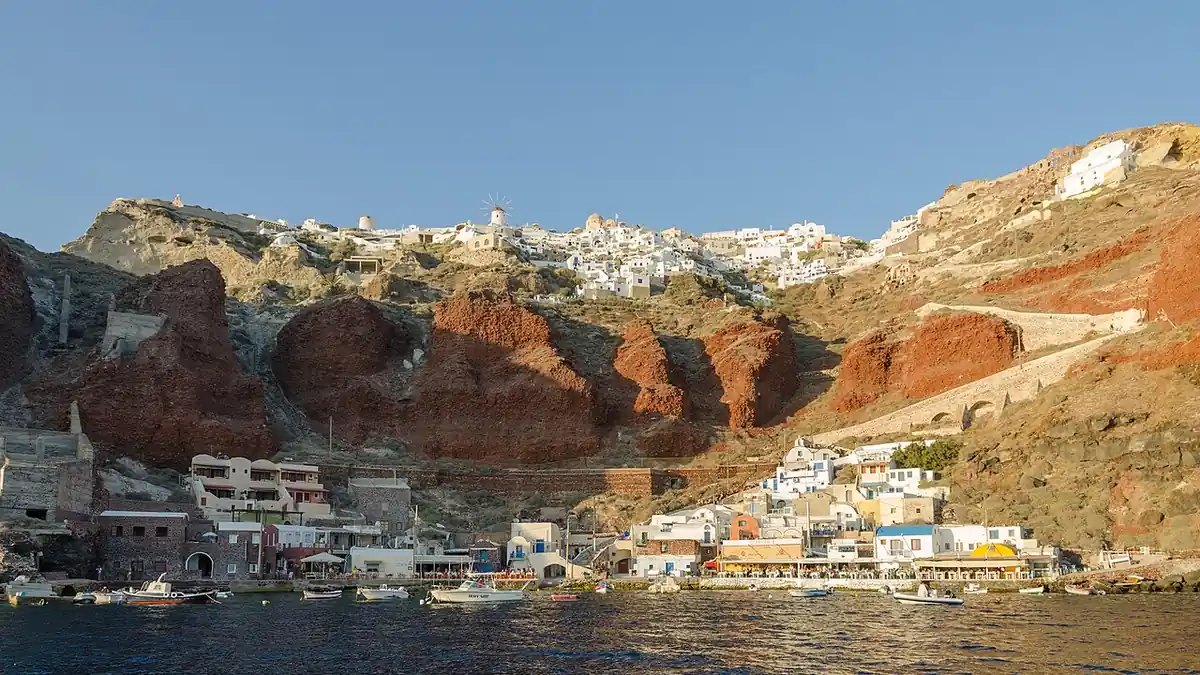
Yes, Santorini still earns its fame, but only with honest expectations. First, the Santorini caldera is genuinely unlike anywhere else in Europe. White villages cling to a drowned volcanic crater above deep blue water. At sunset, the light turns those cliffs gold, pink, and soft violet.
Stay in Imerovigli for the calmest caldera views and a quieter pace. Alternatively, choose Fira for bus links, restaurants, and easier logistics. Oia is the most photographed village, and it is undeniably beautiful. However, Oia also draws the densest sunset crowds in peak season.
What is the honest truth about Santorini in peak season?
In peak season, Santorini feels busy, pricey, and sometimes overwhelming. For example, narrow lanes in Oia can clog completely before sunset. Likewise, caldera-view hotels and restaurants charge a clear premium for that view. Therefore, book accommodation and key dinners well ahead in summer.
Shoulder seasons feel calmer and often far more romantic. Indeed, spring and early autumn bring warm light, open hotels, and breathing space. Also, the Fira to Oia cliff walk rewards walkers in those cooler months. In short, Santorini shines brightest when you time it carefully.
The beaches tell a different story, though. Kamari and Perissa offer dark volcanic sand and relaxed beach clubs. Still, swimmers who want soft golden sand should look to Naxos or Crete instead. Consequently, visit Santorini for views and atmosphere, not for classic beach days.
Which places in Greece are best for couples?
Santorini leads for couples who want drama and a special-occasion feel. Milos, however, often wins for couples who want calm and discovery. Indeed, Milos mixes moon-white rocks at Sarakiniko with hidden coves and colourful fishing villages. Boat trips around Kleftiko then reveal caves and swimming spots unreachable by road.
Besides, Milos still feels personal in a way busier islands rarely do. For instance, tiny Klima lines its shore with painted boathouses and quiet tavernas. Similarly, Plaka village offers sunset views without the Oia crowds. Therefore, Milos suits honeymooners who prefer exploring over posing.
If you love romantic travel planning, then compare these islands with the most romantic places to visit in Italy. After all, both countries do romance through food, light, and slow evenings. Greece, though, adds island ferries and caldera sunsets to that mix.
Which Greek destinations work best for families?
Crete is the strongest family choice in Greece by a clear margin. First, Crete is huge, varied, and easy to explore at your own pace. Second, its beaches range from sheltered sandy bays to the famous pink shore at Elafonisi. Finally, its towns offer family hotels, tavernas, and supermarkets in every size.
Why does Crete work so well for a full week?
Crete rewards a single-base or two-base stay more than any other island. For example, Chania charms families with its Venetian harbour and old town lanes. Meanwhile, Heraklion places you near Knossos and a superb archaeological museum. In addition, mountain villages, gorges, and farm tavernas fill rainy or restless days.
Driving distances need respect, though. Crete looks compact on a map, yet cross-island drives take hours. So pick one region for a short stay and explore it deeply. As a result, everyone spends less time in the car and more time swimming.
Why do families also love Naxos and Rhodes?
Naxos offers long, soft, shallow beaches that suit young children beautifully. Agios Prokopios and Plaka, for instance, give families space, tavernas, and gentle water. Besides, Naxos Town adds a castle quarter, ice cream stops, and easy evening strolls. Also, prices here usually feel kinder than on Santorini or Mykonos.
Rhodes offers a different family strength, namely variety in one place. Its medieval Old Town fascinates older children who love castles and knights. Meanwhile, east-coast beaches and resort villages keep beach days simple. Therefore, Rhodes suits families who want history and swimming without island hopping.
Where should history lovers go in Greece?
History lovers should build their trip around Athens, Meteora, and the Peloponnese. Indeed, those three regions trace Greece from classical temples to Byzantine monasteries. Besides, each region feels visually distinct, so the journey never turns repetitive. Consequently, a mainland-focused trip can rival any island route.
Readers who enjoy cultural routes may also like our guide to the most important places to visit in Spain with cultural and historical significance. Similarly, Greece rewards travellers who link each ruin to the story behind it.
What makes Meteora unforgettable?
Meteora is the most spectacular mainland sight in Greece, without close competition. The Meteora monasteries balance on towering rock pillars above the plains of Thessaly. Monks first built them for solitude and safety many centuries ago. Today, several monasteries still welcome respectful visitors in modest dress.
Stay overnight near Kalambaka or Kastraki for the full effect. Then visit one monastery early and another in late afternoon light. Also, walking trails link viewpoints that day-trip crowds often miss entirely. As a result, Meteora feels peaceful, vast, and deeply moving.
Why does the Peloponnese deserve more time?
The Peloponnese is mainland Greece at its most rewarding and least rushed. Nafplio, for example, is a handsome seaside town with a fortress above tiled roofs. From Nafplio, ancient sites and quiet beaches sit within easy driving reach. Therefore, Nafplio makes an ideal first Peloponnese base for most travellers.
Olympia, the birthplace of the Olympic Games, anchors the western Peloponnese beautifully. There, you can walk the ancient stadium and explore temples in a green valley. Besides, the on-site museum holds remarkable sculpture in calm, spacious galleries. In short, Olympia turns a famous name into a place you can truly feel.
Overall, a Peloponnese road trip suits travellers who dislike ferry timetables. You drive between olive groves, mountain villages, castles, and small coastal towns. Also, local tavernas and family hotels keep costs grounded here. Consequently, the region often wins repeat visitors for life.
Is Mykonos right for your trip?
Mykonos is Greece at its most glamorous, sociable, and expensive. First, Mykonos Town is genuinely lovely, with white lanes, windmills, and Little Venice cafés. Second, its beach clubs and Mykonos nightlife lead Greece by a wide margin. Finally, stylish hotels and shopping complete a polished, high-energy package.
Honesty matters here too, though. In peak season, Mykonos gets very crowded and prices climb sharply. Narrow town lanes, for instance, can feel packed late into the night. Therefore, book hotels, beach clubs, and ferries early if you visit in summer.
Shoulder seasons soften Mykonos considerably and reveal its prettier side. Indeed, late spring brings open venues, warm seas, and far calmer streets. Also, the nearby sacred island of Delos makes a superb half-day history trip. So Mykonos works best when you want its scene and time it wisely.
Choose Mykonos if nightlife, design hotels, and beach clubs top your list. Otherwise, Paros, Naxos, or Milos will likely give you better value. In other words, Mykonos is brilliant at what it does, yet narrow in focus. Consequently, it suits a short, celebratory stay more than a long, quiet holiday.
Which quiet Greek islands feel most authentic?
Naxos, Milos, and Syros lead the quieter-island list for different reasons. Naxos, for example, is large enough to hide inland villages and empty hiking paths. Halki, Filoti, and Apeiranthos still run on farming rhythms and local cafés. Therefore, a hire car transforms Naxos from beach stay into island exploration.
Milos feels quieter because its magic spreads across dozens of small coves. Indeed, no single town absorbs all visitors, so the island stays breathable. Besides, its volcanic coast changes colour and shape around every headland. As a result, beach lovers who explore daily rarely repeat a swimming spot.
Syros feels authentic because it is a working island, not only a resort. Its shipyards, schools, and year-round residents keep Ermoupoli lively in winter too. Also, its beaches and villages stay pleasantly local in feel. So Syros suits travellers who want Greece as Greeks themselves live it.
If quieter Mediterranean coasts appeal to you, then explore our notes on places to visit in south east Spain as well. Similarly, Greece rewards travellers who step one island beyond the famous names.
Should you choose Rhodes or Corfu?
Rhodes and Corfu sit in different seas, and they feel completely different. Rhodes, in the Dodecanese, is sunny, dry, and steeped in medieval history. Corfu, in the Ionian, is green, softer, and shaped by Venetian rule. Therefore, your choice depends on whether you prefer castles or olive groves.
What does Rhodes do best?
Rhodes Old Town is one of Europe’s best-preserved medieval cities, and it is still lived in. Walk the Street of the Knights to the Palace of the Grand Master slowly. Then climb to Lindos, where white houses stack above a turquoise bay. Also, the island’s size spreads visitors out, so it rarely feels overwhelmed.
What does Corfu do best?
Corfu Town blends Venetian fortresses, French arcades, and British cricket green charm. Beyond town, olive groves, cypress trees, and hill villages cover the island. For instance, Paleokastritsa pairs monastery views with clear, boat-friendly bays. As a result, Corfu suits travellers who love green scenery and gentle drives.
Logistics separate these islands just as clearly as scenery does. Rhodes pairs naturally with other Dodecanese islands and direct seasonal flights. Corfu, meanwhile, pairs with the Ionian islands and western mainland Greece. So group each island with its own cluster, not with each other.
How does Greek island hopping actually work?
Greek island hopping takes more time than maps suggest, so plan generously. First, ferries link islands within clusters far better than islands across clusters. For example, Santorini, Naxos, Paros, Mykonos, and Milos form the Cyclades cluster. Similarly, Rhodes connects best within the Dodecanese, and Corfu within the Ionian.
Therefore, pick one cluster per trip and add Athens at either end. Each ferry move also costs half a day once packing and ports are counted. Besides, summer ferries can sell out on busy routes and popular weekends. Consequently, fewer bases almost always produce a happier trip.
Flights help for longer jumps, especially to Crete, Rhodes, and Corfu. Indeed, short domestic flights from Athens can save a full day of travel. However, island airports add transfers, queues, and baggage time of their own. So compare total door-to-door time, not just the flight duration.
If you are building a longer European route, then our roundup of the best places to visit in Spain can help you sequence countries sensibly. Likewise, our guide to the best places to visit in Europe in summer puts Greece in a wider seasonal picture.
When is the best time to visit Greece?
Late spring and early autumn offer the sweetest balance for most trips. Seas are warm, days are long, and most hotels and tavernas are open. Also, crowds thin noticeably outside the peak summer weeks. Therefore, those shoulder months suit couples, walkers, and photographers especially well.
Peak summer brings the hottest weather, the fullest ferry schedules, and the biggest buzz. Families tied to school holidays, for instance, will still have a wonderful time then. However, book accommodation, ferries, and popular restaurants well ahead in that period. Also, start sightseeing early and rest through the midday heat.
Winter suits Athens and mainland cultural trips best. Many smaller islands, by contrast, quieten sharply and reduce ferry links. In short, match your season to your region, not only to the weather.
Which Greece trip suits you?
Use this simple picker to turn the verdicts above into a real route.
- You have five days and it is your first trip? Then choose Athens for two nights and Santorini or Naxos for three nights.
- You have a week with young children? Then base in Crete, split between Chania and one beach area.
- You want romance without heavy crowds? Then pair Athens with Milos in late spring or early autumn.
- You love history more than beaches? Then drive Athens, Meteora, Nafplio, and Olympia in one mainland loop.
- You want nightlife and stylish hotels? Then add Mykonos to a Cyclades loop and book everything early.
- You crave quiet, local island life? Then choose Syros or inland Naxos and rent a car for village days.
- You want green scenery and gentle drives? Then pick Corfu and explore its hill villages slowly.
Overall, the best Greek trips share one habit, namely restraint. Indeed, two or three bases beat six rushed stops every single time. As a result, you remember meals, swims, and sunsets, not ferry queues.
Frequently asked questions
How many days do you need for Greece?
Most first trips need seven to ten days to feel satisfying and unhurried. For example, that span allows Athens plus two island bases comfortably. Shorter trips, however, work well with Athens and one island only. Therefore, cut destinations before you cut nights in each place.
What is the best Greek island for first-timers?
Santorini is the most iconic first island, while Naxos is the easiest all-rounder. Indeed, Santorini wins on views, and Naxos wins on beaches and value. Many first-timers, therefore, pair both islands in one Cyclades loop. As a result, they get drama and relaxation in a single trip.
Is Greece expensive to visit?
Greece can suit many budgets, although Santorini and Mykonos cost noticeably more. Elsewhere, family tavernas, local hotels, and public beaches keep spending grounded. Also, shoulder seasons lower accommodation costs across most islands and cities. So your island choice shapes your budget more than anything else.
Can you visit Greece without a car?
Yes, Athens, Santorini, Mykonos, and Syros all work well without a car. Buses, taxis, and walking cover their main sights and beaches comfortably. However, Crete, Naxos inland villages, and the Peloponnese reward a hire car greatly. Therefore, rent a car only where distances truly demand one.
Which Greek island has the best beaches?
Crete beaches and Naxos shores share the strongest claim for classic sandy beaches. Crete, for instance, offers Elafonisi and Balos alongside dozens of local bays. Naxos, meanwhile, delivers long, shallow, family-friendly shores near its main town. Milos, by contrast, wins for unusual, photogenic swimming coves.
Should you island hop or stay in one place?
Stay in one place if you have under a week or travel with young children. Island hopping, however, suits longer trips within a single cluster like the Cyclades. Indeed, each move costs time, energy, and a ferry ticket. Consequently, two bases usually beat four rushed ones.
Greece rewards travellers who choose with intention and travel with patience. First, decide what kind of trip you truly want this time. Next, pick one region or cluster and give it proper time. Finally, leave a few famous names for the return trip you will surely plan. After all, the best places in Greece to visit are the ones you experience slowly, not the ones you merely pass through.



