
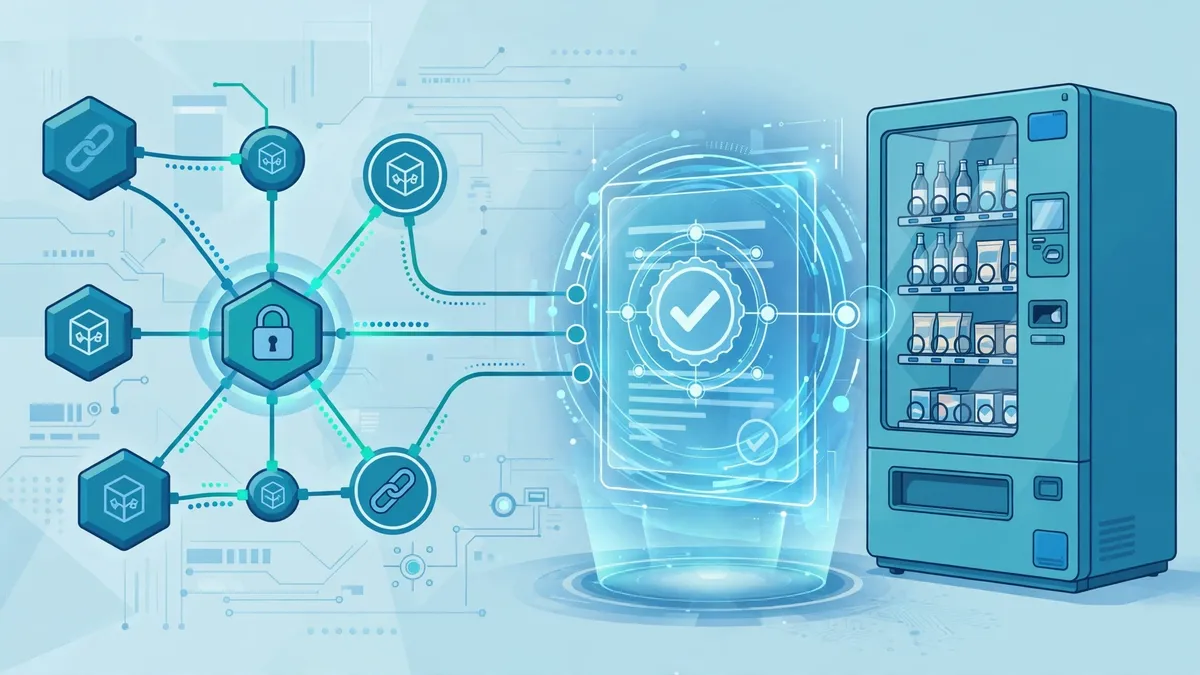
Many readers already grasp blocks, chains, and digital records. However, the automation layer still feels mysterious to them. Therefore, this guide answers what are smart contracts in calm, everyday language. Additionally, it uses simple examples instead of hype or trading talk.
Basically, this is smart contracts explained for beginners without jargon overload. For example, you will meet a vending machine before any code. Consequently, each step builds gently on the previous one. Ultimately, you will understand both the promise and the limits.
What Is a Smart Contract in Plain English?
A smart contract is a small program stored on a blockchain. However, its job is surprisingly familiar and practical. Indeed, it holds an agreement and enforces its rules automatically. Therefore, no clerk needs to chase signatures or release payments manually.
The program waits quietly until agreed conditions are met. Then, it carries out the promised action without further prompting. For instance, it might release funds, record ownership, or unlock access. As a result, strangers can cooperate without trusting each other personally.
Importantly, the contract itself is not usually legal prose. Instead, it is code that expresses an agreement in instructions. Nevertheless, people still design, approve, and rely upon its terms. Consequently, understanding the code’s logic matters more than memorising buzzwords.
Who Invented the Idea, and Why Does History Matter?
The nick szabo smart contracts history begins in the 1990s. Indeed, computer scientist Nick Szabo described self-executing agreements long before modern blockchains. However, the networks needed to run them widely did not exist then. Therefore, his idea waited patiently for better infrastructure.
Szabo imagined contracts embedded directly into digital systems. For example, software could enforce a deal as reliably as hardware. Consequently, breaches would become harder and enforcement more automatic. In fact, that vision still shapes how developers think today.
Later, blockchain networks gave the concept a shared home. Additionally, many computers could verify the same program independently. As a result, no single operator controlled the outcome alone. Ultimately, an old idea finally gained a practical foundation.
Why Does the Vending Machine Analogy Help So Much?
The vending machine smart contract analogy remains the clearest starting point. Indeed, Szabo himself used vending machines as an early illustration. Basically, you insert money and select an item. Then, the machine follows fixed rules and delivers your snack.
No shopkeeper negotiates, approves, or hands anything over. However, the machine only responds when payment is correct. For instance, insufficient coins produce no drink and no exception. Consequently, the rules are visible, predictable, and automatically enforced.
Smart contracts extend that simple logic to digital agreements. Instead, the machine becomes software running across a network. Nevertheless, the core feeling stays identical for beginners. Therefore, if the condition happens, then the result follows automatically.
How Do Smart Contracts Work Step by Step?
Firstly, two or more parties agree on clear terms together. Secondly, developers translate those terms into precise computer code. Subsequently, the code is deployed onto a blockchain network. As a result, participants can inspect it before relying on it.
The deployed program then waits for a triggering event. For example, a payment arrives or a deadline passes. Meanwhile, the network checks whether every condition is satisfied. Consequently, the contract executes only when its rules allow it.
After execution, the network records the outcome permanently. Additionally, every participant can verify that record independently afterwards. However, nobody can quietly rewrite the result later. Therefore, the shared record becomes the common source of truth.
Readers exploring wider crypto topics often start with educational explainers. For instance, our guide to how crypto hedge funds are structured shows another specialised corner. Nevertheless, smart contracts remain a separate, foundational technology topic. Indeed, they are infrastructure, not an investment strategy themselves.
What Does If-Then Logic Look Like in Practice?
The clearest summary of how do smart contracts work if then logic is one sentence. Indeed, if a defined event occurs, then a defined action follows. For example, if rent arrives by Friday, then access continues. Consequently, the rule leaves little room for casual reinterpretation.
Developers write many such rules into a single program. Additionally, each rule handles one situation as precisely as possible. However, vague human wording translates badly into strict code. Therefore, careful drafting matters before any deployment happens.
Humans often rely on judgement when circumstances change unexpectedly. In contrast, code follows its instructions exactly as written. Nevertheless, that strictness is both the attraction and the danger. Ultimately, precision helps only when the original rules were right.
What Are Some Real-World Examples Beyond Trading?
Useful smart contract examples real world stories rarely involve speculation. For example, a contract can split a payment between collaborators automatically. Additionally, it can release project funds when milestones are confirmed. Consequently, routine administration becomes faster and more transparent.
Another example involves digital access and membership rights. Indeed, software can grant entry after verifying a recorded entitlement. However, the underlying idea stays deliberately ordinary and practical. Therefore, think automation of agreements, not magic money.
Event tickets, loyalty points, and content royalties also fit. For instance, a resale rule could direct a share automatically. Meanwhile, the original creator and buyer follow the same rules. As a result, fewer disputes arise about who owed what.
How Does Flight Insurance Show the Idea Clearly?
Imagine a traveller buying simple delay protection before flying. Firstly, the contract records the flight and the delay threshold. Secondly, it watches for confirmed information about that flight. Consequently, the payout decision needs no lengthy claims form.
If the flight is delayed beyond the agreed threshold, then payment follows. However, if the flight departs on time, then nothing happens. For example, the same rule applies equally to every policyholder. Therefore, the process feels fair, fast, and predictable.
This example is illustrative, not a product recommendation. Indeed, real insurance products involve regulation, pricing, and careful underwriting. Nevertheless, the automation pattern itself is easy to grasp here. Ultimately, a clear trigger produces a clear, pre-agreed outcome.
Anyone comparing cover should still read policy wording carefully. For instance, our explainer on how trusted insurance coverage works covers broader protection basics. Additionally, automated payouts never replace proper consumer research. Consequently, education should always come before any purchase decision.
Where Do Insurance and Supply Chain Uses Fit?
The case for smart contracts in insurance and supply chain settings is administrative. Indeed, both fields juggle documents, approvals, and delayed confirmations. However, shared rules can move routine steps forward automatically. Therefore, staff can focus on exceptions instead of paperwork.
In supply chains, a shipment’s arrival can trigger the next step. For example, delivery confirmation might release a supplier payment. Additionally, each handover can be recorded on the shared ledger. As a result, partners argue less about missing or altered records.
Similarly, insurers can automate straightforward, clearly defined claim events. Nevertheless, complex claims still need human investigation and empathy. In contrast, simple triggers suit software far better than disputes. Ultimately, automation works best where facts are objective and verifiable.
How Are Smart Contracts Different From Traditional Contracts?
A fair smart contracts vs traditional contracts comparison starts with enforcement. Indeed, traditional agreements rely on people, courts, and institutions afterwards. However, smart contracts enforce their coded rules during execution itself. Therefore, compliance happens by design rather than by pressure.
Traditional contracts also allow interpretation when wording is ambiguous. For instance, judges can consider context, intention, and fairness. In contrast, code cannot weigh intentions it was never given. Consequently, smart contracts feel stricter and sometimes less forgiving.
Paper agreements can be renegotiated when circumstances change dramatically. Additionally, both sides can sign an amendment and move on. Nevertheless, deployed code is often difficult to alter afterwards. As a result, flexibility remains a genuine traditional advantage.
The table below summarises the contrast in simple terms. Indeed, neither approach wins in every possible situation. However, each suits different kinds of agreements and risks. Therefore, choosing between them deserves calm, case-by-case thought.
| Feature | Traditional Contract | Smart Contract |
|---|---|---|
| Enforcement | People and courts | Automatic code execution |
| Flexibility | Renegotiation is possible | Changes are often difficult |
| Speed | Manual steps and delays | Fast once triggered |
| Interpretation | Human judgement applies | Literal rules apply |
Context matters for money topics well beyond contracts themselves. For example, readers studying cryptocurrency correlation and diversification meet similar trade-offs between rules and judgement. Indeed, automation never removes the need for understanding. Consequently, both tools reward careful readers the most.
As we delve deeper into the realm of smart contracts, it’s essential to recognize their operational foundation within blockchain technology, which also encompasses various consensus mechanisms. Just as smart contracts autonomously execute agreements based on predefined rules, these consensus models ensure the integrity and security of transactions across the blockchain. Understanding the nuances of how these systems work—particularly the differences in efficiency and energy consumption—can enrich your grasp of decentralized technologies. For instance, the debate surrounding proof of work vs proof of stake highlights critical distinctions in how networks achieve consensus, which ultimately impacts the broader application of smart contracts in various industries.
As we delve deeper into the mechanics of smart contracts, it becomes essential to recognize their foundational technology: blockchain. This decentralized ledger not only underpins the execution of these self-executing agreements but also enhances their security and transparency. Understanding what is blockchain technology allows us to appreciate how each transaction is recorded immutably, creating a trustless environment where parties can interact without the need for intermediaries. This synergy between smart contracts and blockchain technology not only streamlines processes but also opens new avenues for innovation across various sectors, from finance to supply chain management. As we explore these concepts, the interplay between them reveals the transformative potential that lies ahead.
What Are the Main Benefits of Automation?
The clearest benefits of smart contracts automation start with speed. Indeed, routine steps happen as soon as conditions are met. However, no office hours, queues, or manual approvals intervene. Therefore, simple agreements can settle in moments rather than weeks.
Costs can also fall when intermediaries handle less paperwork. For instance, fewer reconciliations mean fewer duplicated administrative checks. Additionally, every party works from the same shared record. As a result, errors caused by mismatched copies reduce noticeably.
Transparency is another frequently cited advantage for participants. Indeed, authorised parties can inspect the rules before agreeing. Nevertheless, transparency only helps people who actually read them. Consequently, open code still demands patient, informed review.
Consistency completes the practical case for careful automation. For example, the same rule applies identically every single time. Meanwhile, personal favouritism and forgotten steps largely disappear. Ultimately, predictable execution can build confidence between distant strangers.
Beginners often learn these themes through long-form educational media. For instance, our roundup of cryptocurrency podcasts worth following highlights accessible expert conversations. Additionally, hearing varied explanations reinforces unfamiliar technical vocabulary gradually. Therefore, mixing reading and listening can genuinely help retention.
What Risks Should Beginners Understand First?
An honest smart contract risks bugs and hacks explained educationally section matters enormously. Indeed, code bugs have locked or drained funds in past incidents. However, those failures came from flawed instructions, not broken promises. Therefore, the contract did exactly what its code said.
That distinction sounds harsh, yet it teaches the central lesson. For example, a typo in a rule can become permanent. Additionally, attackers actively search deployed code for exploitable weaknesses. Consequently, professional auditing and testing are essential, not optional.
Immutability also means mistakes cannot always be reversed easily. In contrast, a bank can sometimes recall an erroneous transfer. Nevertheless, blockchain records are designed to resist quiet alteration. As a result, prevention matters far more than later apologies.
This article offers education only, never investment advice. Indeed, understanding a technology differs completely from buying related assets. For instance, anyone considering exposure should consult a qualified professional first. Consequently, our guide to finding a financial advisor who understands cryptocurrency explains that process carefully.
Why Is the Oracle Problem So Important?
The oracle problem smart contracts face is deceptively simple to state. Indeed, blockchains cannot directly observe the outside world themselves. However, contracts often need outside facts like weather or deliveries. Therefore, they depend on external data feeds called oracles.
An oracle supplies information such as a flight’s arrival status. For example, the contract then reacts to that supplied fact. Consequently, the whole agreement trusts the feed’s accuracy completely. In fact, a wrong feed can trigger a wrong outcome automatically.
Designers therefore choose data sources with unusual care. Additionally, some systems combine several feeds to reduce single errors. Nevertheless, no design removes outside trust entirely and magically. Ultimately, the oracle remains the bridge where errors can enter.
Why Does Immutability Cut Both Ways?
Immutability protects honest participants from secret, retrospective changes. Indeed, nobody can rewrite the agreement after seeing the outcome. However, the same permanence preserves honest mistakes just as faithfully. Therefore, strength and risk are literally the same property.
Developers sometimes build upgrade mechanisms to soften this rigidity. For instance, a new version can replace an older deployment. Nevertheless, upgrade powers reintroduce trust in whoever controls them. As a result, every design involves an explicit trade-off.
Careful teams test extensively before accepting that permanence. Additionally, they publish code so independent reviewers can inspect it. Consequently, openness becomes a practical safety habit, not a slogan. Ultimately, slow preparation beats fast, irreversible regret.
What Is Ethereum’s Role, and What Language Is Used?
Any ethereum smart contracts basics overview starts with its purpose. Indeed, Ethereum was designed as a programmable blockchain platform. However, Bitcoin primarily focused on peer-to-peer digital cash transfers. Therefore, Ethereum broadened the idea toward general-purpose applications.
On such networks, contracts live at identifiable on-chain addresses. For example, users interact by sending transactions to those addresses. Additionally, the network’s computers execute the same code independently. As a result, participants share one verifiable outcome together.
Other programmable blockchains exist besides Ethereum, of course. Nevertheless, Ethereum remains the most common teaching example today. In fact, much beginner material uses its tools and terminology. Consequently, learning its basics transfers surprisingly well elsewhere.
Niche token ecosystems also build on programmable platforms. For instance, our explainer on weed cryptocurrency and its banking context shows one specialised example. However, sector tokens raise separate regulatory and practical questions. Therefore, platform literacy should precede any niche enthusiasm.
What Should Beginners Know About Solidity?
The smart contract languages solidity basics story starts with Ethereum development. Indeed, Solidity is the best-known language for writing its contracts. However, beginners do not need to code to understand concepts. Therefore, treat Solidity as vocabulary, not a barrier.
Solidity code defines data, conditions, and permitted actions precisely. For example, a function might check payment before transferring access. Additionally, the code is compiled before deployment onto the network. As a result, small syntax details carry unusually large consequences.
Other languages and tools exist across different blockchain ecosystems. Nevertheless, most share the same if-then foundations explained earlier. In contrast, marketing names change far faster than underlying logic. Ultimately, concepts outlast whichever language happens to trend.
What Is a DApp, and How Is It Connected?
The question what is a dapp relationship smart contracts have is common. Indeed, a dApp is a decentralised application built for users. However, its hidden engine is usually one or more contracts. Therefore, the app is the interface, while contracts handle rules.
Think of a friendly website connected to strict backstage machinery. For example, you tap a button and a contract executes. Additionally, the result returns to the screen you are using. Consequently, users experience software, not raw code directly.
This separation explains why design quality varies so widely. Indeed, identical contract logic can sit behind confusing interfaces. Nevertheless, a polished screen never guarantees safe underlying code. As a result, both layers deserve scrutiny from careful users.
Tax and record-keeping also follow activity on such applications. For instance, our guide to working with a cryptocurrency tax accountant explains why organised records matter. Additionally, automated execution does not erase personal reporting responsibilities. Therefore, tidy documentation remains wise in every jurisdiction.
Are Smart Contracts Legally Binding?
An are smart contracts legally binding overview must start cautiously. Indeed, the answer depends on jurisdiction, consent, and surrounding circumstances. However, code alone does not automatically create a valid legal agreement. Therefore, courts may examine the parties’ broader intentions and conduct.
Sometimes, a written legal contract and supporting code coexist deliberately. For example, the document states intent while code performs routine steps. Additionally, that pairing can reduce ambiguity between lawyers and developers. Consequently, many serious projects treat both layers as complementary.
Consumer protection, identity, and dispute resolution add further complexity. Nevertheless, technology moving quickly does not suspend existing law. In fact, regulated sectors usually demand especially careful legal review. Ultimately, qualified legal advice matters for any real deployment.
Beginners should therefore separate technical execution from legal validity. Indeed, software can perform an action without settling its legality. However, confusing those questions creates avoidable and expensive misunderstandings. As a result, education should always precede real-world reliance.
How Can Beginners Keep Learning Safely?
Firstly, revisit the vending machine whenever new jargon appears. Secondly, ask what condition triggers each promised action automatically. Subsequently, ask who supplies the outside facts behind it. Consequently, the oracle question will quickly expose weak designs.
Additionally, compare every new claim against traditional alternatives calmly. For example, ask whether automation genuinely improves that specific agreement. However, reject dollar figures or return promises without credible evidence. Therefore, educational sources deserve preference over hype-led promotions.
Finally, remember that smart contracts are simply agreements expressed as code. Indeed, their power comes from automatic, shared, predictable execution. Nevertheless, their risks come from exactly the same strictness. Ultimately, understanding both sides is the real beginner milestone.
Explore more practical guides on WordGlowUp.



