
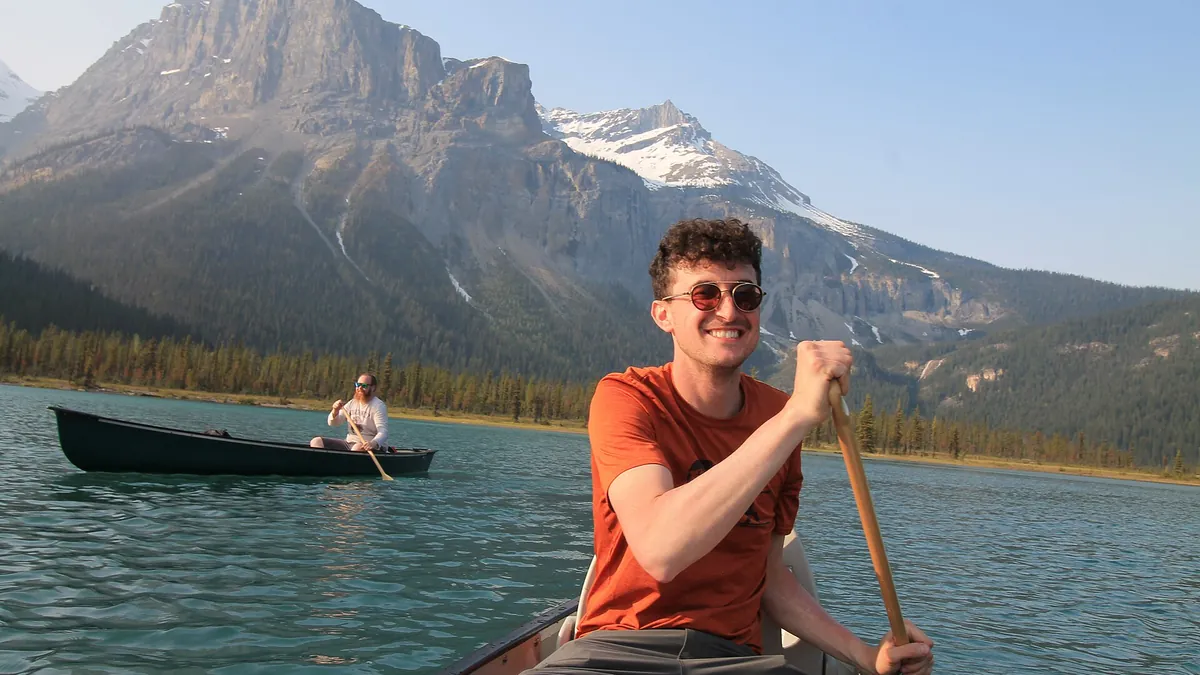
Yoho rewards travellers who slow down and look closely. The park sits in British Columbia, just west of Banff. However, Yoho feels calmer than its famous neighbour. Valleys feel narrower here, and waterfalls sound louder. For example, one short drive links a turquoise lake, a stone bridge, and a huge waterfall. This guide covers the best places to visit in Yoho National Park with honest season advice. In fact, timing matters in Yoho more than in most parks. Some roads open for summer only, and snow lingers late. Still, a well timed visit feels unforgettable. You get classic Canadian Rockies national parks scenery without constant queues. Above all, you get space to breathe.
Why Yoho Feels Different From Banff?
Yoho shares a border with Banff National Park in Alberta. A Parks Canada pass is required, and one pass covers both parks. Therefore, visitors often add Yoho to a Banff trip. Yet Yoho keeps a quieter, wilder character. The Trans-Canada Highway cuts straight through the park. As a result, major sights sit close to one main road. Meanwhile, side valleys hide deeper and quieter trails. Field, the small village inside the park, anchors most visits. In short, Yoho packs huge scenery into a compact area.
Firstly, the name Yoho expresses awe and wonder in Cree. That reaction still fits the place perfectly today. Towering walls rise above the Kicking Horse River valley. Glaciers hang above green lakes and dense forest. Secondly, the park protects far more than pretty views. Ancient Burgess Shale fossils rest in its high slopes. Historic railway tunnels twist inside its mountains. Consequently, a Yoho day mixes nature, science, and history.
Emerald Lake Yoho: The Park Showpiece
Emerald Lake usually wins first time visitors over instantly. The water glows green under steep, forested peaks. In fact, fine glacial silt gives the lake its colour. Sunlight scatters through that silt all summer long. The Emerald Lake Lodge shore offers the classic postcard view. Cabins and lodge buildings line one quiet end. From there, the lakeshore trail circles the whole lake. The loop stays mostly flat and suits most walkers.
The far shore feels wilder than the lodge end. Avalanche paths cut clear lines through the trees. Meanwhile, small streams cross the trail in places. Walkers should wear shoes that handle mud well. In the main summer season, canoe rentals draw steady crowds. Paddling across the still water feels calm and special. However, personal watercraft rules protect the lake ecosystem. Visitors should check current Parks Canada guidance before launching anything. Early mornings bring the softest light and fewest people. Later, tour groups fill the small parking area quickly.
How Can You Enjoy Emerald Lake Without the Crowds?
Arrive early, and the lake feels almost private. Alternatively, visit late in the day for golden light. The full loop also spreads people out nicely. Most visitors cluster near the bridge and lodge. Therefore, the far shore stays peaceful even in August. Pack a picnic and linger beyond the first viewpoint. In particular, photographers love calm mornings with mirror reflections. Still, weather shifts fast in the mountains here. Bring a warm layer even on sunny days.
Natural Bridge Yoho and the Kicking Horse River
Natural Bridge sits beside the road to Emerald Lake. Here, the Kicking Horse River forces through solid rock. Over time, the river carved a natural stone bridge. Today, water rushes and foams beneath that arch. Viewing platforms give safe angles over the torrent. In contrast, the surrounding forest feels still and shaded. The stop takes little time, yet it leaves a mark. For example, spring runoff makes the river roar impressively.
The Kicking Horse River shapes much of Yoho itself. It carved valleys, fed waterfalls, and challenged railway builders. Its milky colour comes from glacial meltwater upstream. At Natural Bridge, that power sits within easy reach. Visitors should stay behind rails at all times. Wet rock near the river stays dangerously slippery. Meanwhile, downstream views frame peaks behind the bridge. Combine this stop with Emerald Lake for an easy pairing. Fans of dramatic water will also enjoy planning unique places to visit near Niagara Falls for a very different waterfall trip.
Takakkaw Falls: Power You Hear First
Takakkaw Falls ranks among the tallest waterfalls in Canada. Competitor guides cite a total drop of 373 metres. The falls burst from a hanging glacier fed valley. Then the water free falls in a bright white ribbon. Spray soaks the viewpoint on strong flow days. In fact, you hear the roar before you see it. A short, mostly paved path leads from parking. Families manage that walk with ease in summer.
Access needs honest framing, though. The Yoho Valley Road stays seasonal, typically summer only. Snow and avalanche risk close the road in winter. The route also climbs through tight, steep switchbacks. Large trailers and big motorhomes cannot use it safely. Therefore, drivers should check road status before setting out. Early summer brings the strongest meltwater flow. Later, the falls still impress, but flow eases slightly. Either way, Takakkaw anchors any Yoho itinerary.
Yoho Valley, Laughing Falls and the Iceline Trail
Beyond Takakkaw, the Yoho Valley opens a hiker world. Trails branch toward glaciers, meadows, and quiet backcountry camps. Laughing Falls makes a rewarding half day target. The path follows the Yoho River through cool forest. Then the falls appear, tumbling white through a gorge. Side paths reveal smaller cascades along the way. For example, Point Lace Falls hides near the main trail. Hikers with more time continue toward Twin Falls.
Strong hikers aim higher, onto the famous Iceline route. On trail lists, the Iceline Trail Yoho routes often rank first. The path climbs beside the Emerald Glacier. It crosses rocky moraines with huge valley views. Takakkaw Falls looks small from that high traverse. However, the full circuit demands fitness and planning. Snow can linger on high sections into summer. Hikers should carry layers, water, and bear spray. In short, Yoho National Park hiking trails reward effort generously. Mountain lovers comparing ranges may also enjoy top places to visit in Colorado in summer for another alpine fix.
Lake O’Hara Yoho: Beautiful, Protected and Hard to Reach
Lake O’Hara may be the prettiest corner of Yoho. Its blue water sits under a wall of peaks. Alpine trails link smaller lakes and larch filled basins. In autumn, golden larches draw photographers from everywhere. However, Lake O’Hara Yoho visits need a different mindset. You cannot treat this lake as a casual stop. Access stays tightly controlled to protect fragile alpine ground.
Private vehicles cannot drive the access road at all. Instead, most visitors ride the Parks Canada bus. Seats go through reservations and a lottery system. Demand far exceeds supply every single season. Therefore, hopeful visitors apply well in advance. Lodge guests and campers follow separate booking routes. The other option involves a long walk up the road. That hike covers about 11 kilometres each way. Only fit, prepared walkers should attempt that approach. In fact, many hikers ride out after walking in, if space allows. Never count on that luck, though. Plan Lake O’Hara as a prize, not a plan B.
What Should You Do If Lake O’Hara Does Not Work Out?
Do not let disappointment spoil your Yoho trip. Emerald Lake and Sherbrooke Lake offer lovely alpine water. Both welcome visitors without a lottery or long road walk. Meanwhile, the Iceline Trail delivers true alpine drama. In short, Yoho hides superb alternatives around every bend.
Wapta Falls: The Wide Giant on the Kicking Horse
Wapta Falls spreads wide across the Kicking Horse River. Guides describe it as the largest waterfall on that river. The drop looks shorter than Takakkaw, yet far broader. Water crashes in a heavy curtain through the forest. A gentle forest trail leads to the viewpoints. The return walk totals roughly four kilometres or so. Most walkers finish it comfortably within two hours.
Upper viewpoints show the falls from above first. Then a steeper path drops toward the base. Spray, mud, and noise grow stronger down there. In particular, the base view shows the true scale. Families often pick Wapta over longer valley hikes. Still, the trailhead sits west of Field, off the highway. Drivers should watch signs carefully near the turnoff. Winter access adds distance, since the side road closes. Consequently, summer remains the simplest season for Wapta. Compare that roar later with city waterfall escapes in our guide to places to visit in Thunder Bay, Ontario on another Canada road trip.
The Spiral Tunnels Viewpoint and Railway History
Trains shaped Yoho long before tourists arrived. Kicking Horse Pass forced railway engineers into bold ideas. Their answer became the famous Spiral Tunnels. Inside the mountains, trains loop through figure eight tunnels. That design tamed a dangerously steep railway grade. The Spiral Tunnels viewpoint beside the highway explains the story. Panels and a model show how trains corkscrew underground.
Timing decides what you actually see there. Freight trains pass at irregular intervals each day. With luck, one train appears at two levels together. The front emerges below while the rear still climbs above. In fact, that sight confuses first time watchers delightfully. Without a train, the stop still teaches useful context. Yoho exists partly because the railway crossed here. Field grew as a railway town beside the pass. Therefore, this viewpoint links landscape and national history neatly. Allow extra minutes, and watch the hillside patiently.
Burgess Shale Fossils: A Window Into Ancient Seas
The Burgess Shale fossils rank among the world science treasures. These rocks preserve soft bodied sea creatures in detail. The animals lived in an ancient ocean long ago. Their remains now sit high in Yoho mountains. That strange fact amazes visitors of every age. Walcott Quarry holds the most famous fossil beds. Mount Stephen protects another rich fossil site nearby.
Access rules here stay strict, and rightly so. Nobody can wander the fossil sites alone. Instead, guided hikes lead all approved visits. Parks Canada runs some of those guided hikes. The Burgess Shale Geoscience Foundation runs others. Hikes climb steeply and last a full day. Consequently, they suit fit walkers with real curiosity. Guides explain each fossil find at the quarry. Visitors look, learn, and leave every fossil behind. Booking opens early and places fill quickly. In short, reserve a fossil hike as soon as plans firm up.
Field Village: Your Small and Friendly Base
Field village base camps suit Yoho perfectly well. The village holds guesthouses, a cafe scene, and charm. Fewer than a few hundred people live here year round. Mountains tower directly above its quiet streets. The Yoho visitor centre stands near the highway. There, staff share trail conditions and weather updates. A Field village base keeps early starts simple. Emerald Lake sits a short drive west of Field. Takakkaw and the Yoho Valley road branch nearby too.
Services stay limited, so plan supplies with care. Fuel, food, and lodging choices remain modest here. Golden, west along the highway, offers more options. Lake Louise, to the east, adds hotels and restaurants. However, Field itself delivers the calmest evenings. Deer sometimes wander between its wooden houses. Evenings feel peaceful after busy trailhead hours end. For a city contrast later, compare mountain calm with places to visit in Montreal, Canada in summer on the same Canadian journey.
Season Realism: When Can You Actually See It All?
Season honesty saves Yoho trips from disappointment. The best time to visit Yoho National Park falls in summer. Roughly, June to early October opens the most doors. High access roads, including Yoho Valley Road, open then. Lakes thaw, trails clear, and canoe season runs. Wildflowers colour the meadows during mid summer weeks. Meanwhile, September brings golden larches and thinner crowds.
Winter tells a very different story in Yoho. Emerald Lake freezes, and cross country skiers take over. Takakkaw Falls becomes unreachable by road then. Lake O’Hara access shrinks to ski touring for experts. Spring also limits plans more than visitors expect. Snowmelt swells rivers, yet high trails stay snowy. Avalanche risk affects roads and backcountry routes alike. Therefore, shoulder season visitors need flexible backup plans. Check Parks Canada conditions close to your travel dates. In fact, one closure can reshape a whole itinerary. Build your plan around that simple truth.
How Many Days Do You Need in Yoho?
One full day covers Emerald Lake, Natural Bridge, and Takakkaw. Two days add Wapta Falls and a valley hike. Three days allow a Burgess Shale guided hike. Hikers chasing the Iceline should protect one full day. Above all, do not rush Lake O’Hara planning. That single outing demands its own day entirely.
Combining Yoho With Banff and Lake Louise
Yoho pairs naturally with Banff and Lake Louise. The drive from Lake Louise takes under half an hour. Banff town sits roughly an hour east by highway. Therefore, many visitors sleep in Banff and day trip west. Others base in Field or Golden for quieter nights. Either approach works well with a valid park pass. Remember, a Parks Canada pass is required across these parks. One pass covers Yoho, Banff, and nearby mountain parks.
A smart route avoids backtracking across the pass. Start with Lake Louise early in the morning. Then cross into British Columbia and Yoho. Finish at Emerald Lake as crowds thin out. Alternatively, give Yoho two slow days of its own. The park deserves more than a rushed checklist. Rockies fans planning wider routes might browse what is the best place to visit in Montana for the range further south. Urban explorers can balance peaks with interesting places to visit in Toronto, Canada for urban culture and scenic views later in the trip. Desert park fans, in contrast, may enjoy the best place to visit in Joshua Tree during a winter escape.
Practical Tips for a Smooth Yoho Visit
- Buy your Parks Canada pass before arrival, and keep it visible.
- Start popular trailheads early, since parking fills very fast.
- Carry bear spray on hikes, and know how to use it.
- Pack layers and rain gear for every single outing.
- Download maps offline, because mountain signal fades quickly.
- Check road and trail conditions on the morning itself.
- Keep a safe distance from all wildlife, always.
- Carry water and snacks, since services stay sparse.
Driving remains the easiest way to explore Yoho. Public transport inside the park stays very limited. Cyclists face steep grades and busy highway shoulders. Therefore, most visitors rent a car in Calgary or Banff. Winter drivers need proper tires and extra caution. Finally, leave every viewpoint cleaner than you found it.
Frequently Asked Questions
What Is the Best Time to Visit Yoho National Park?
Summer offers the fullest access across the park. Roughly June to early October opens high roads. Lakes show their strongest colours during those months. September adds larches and quieter trails for hikers.
Do You Need a Pass for Yoho National Park?
Yes, a Parks Canada pass is required for visits. The same pass also covers Banff and Jasper. Buy a day pass or an annual Discovery Pass. Keep the pass displayed in your vehicle.
Can You Drive to Lake O’Hara?
No, private vehicles cannot use the access road. Visitors ride the Parks Canada bus by reservation. Others walk the long access road on foot. Lodge and campground stays follow separate systems.
How Tall Is Takakkaw Falls?
Guides commonly cite a total drop of 373 metres. That height places it among Canada’s tallest waterfalls. Meltwater from the Daly Glacier feeds the falls. Flow peaks during warm early summer weeks.
Is One Day Enough for Yoho National Park?
One day covers the headline sights near the highway. Emerald Lake, Natural Bridge, and Takakkaw fit together. However, hikers should add a second day at least. The Iceline and Burgess Shale each need full days.
Where Should You Stay When Visiting Yoho?
Field offers the closest and quietest base. Golden provides more hotels west of the park. Lake Louise and Banff add larger resort choices. Book early for summer, since rooms fill fast.
Yoho rarely shouts for attention like Banff does. Instead, it wins visitors slowly, waterfall by waterfall. Give the park time, honest planning, and good weather luck. In return, Yoho delivers the Rockies at their purest.



