From the high-altitude catwalks of Milan and Paris to micro-trends born on smartphone screens, modern wardrobes became versatile canvases of personal identity. Rather than following a single dominant look, fashion enthusiasts embraced multiple distinct style movements simultaneously. Whether dressing for remote work versatility, luxury evening galas, or outdoor adventures, this transformative period proved that individuality and adaptive functionality are the ultimate hallmarks of modern style.
The Cultural Shift: Why 2024: A Year of Dynamic Fashion Trends Changed Global Wardrobes
The global appetite for self-expression underwent a dramatic evolution. Fashion has always mirrored sociological changes, highlighting how deeply personal styling reflects collective mood and cultural values. In many ways, examining clothing choices reveals broader shifts, connecting with the idea of fashion as a reflection of social movements across generations.
During this period, consumers demanded authenticity over manufactured hype. Fast-fashion monotony faced fierce resistance as buyers sought garments with character, structural longevity, and meaningful design narratives. The fashion community celebrated hybrid styles that transitioned seamlessly between formal boardrooms, casual cafes, and active weekend escapes. This versatility became essential as traditional lifestyle boundaries continued to blur.
Several key cultural drivers accelerated this transformation:
- The intersection of archival vintage appreciation and modern tailoring techniques.
- A powerful transition toward tactile fabrics, quiet luxury, and subtle craftsmanship.
- The rise of social algorithms driving micro-aesthetics and rapid visual discovery.
- An urgent call for ethical textile production, upcycling, and sustainable garment life cycles.
The Reign of Quiet Luxury and Elevated Tailoring
One of the most defining movements was the undeniable dominance of understated elegance. Loud monogram prints and ostentatious branding took a back seat to exquisite fabrications, bespoke fits, and neutral, earthy color palettes. Consumers invested in investment pieces—garments that carry sophisticated authority without needing loud logos to prove their value.
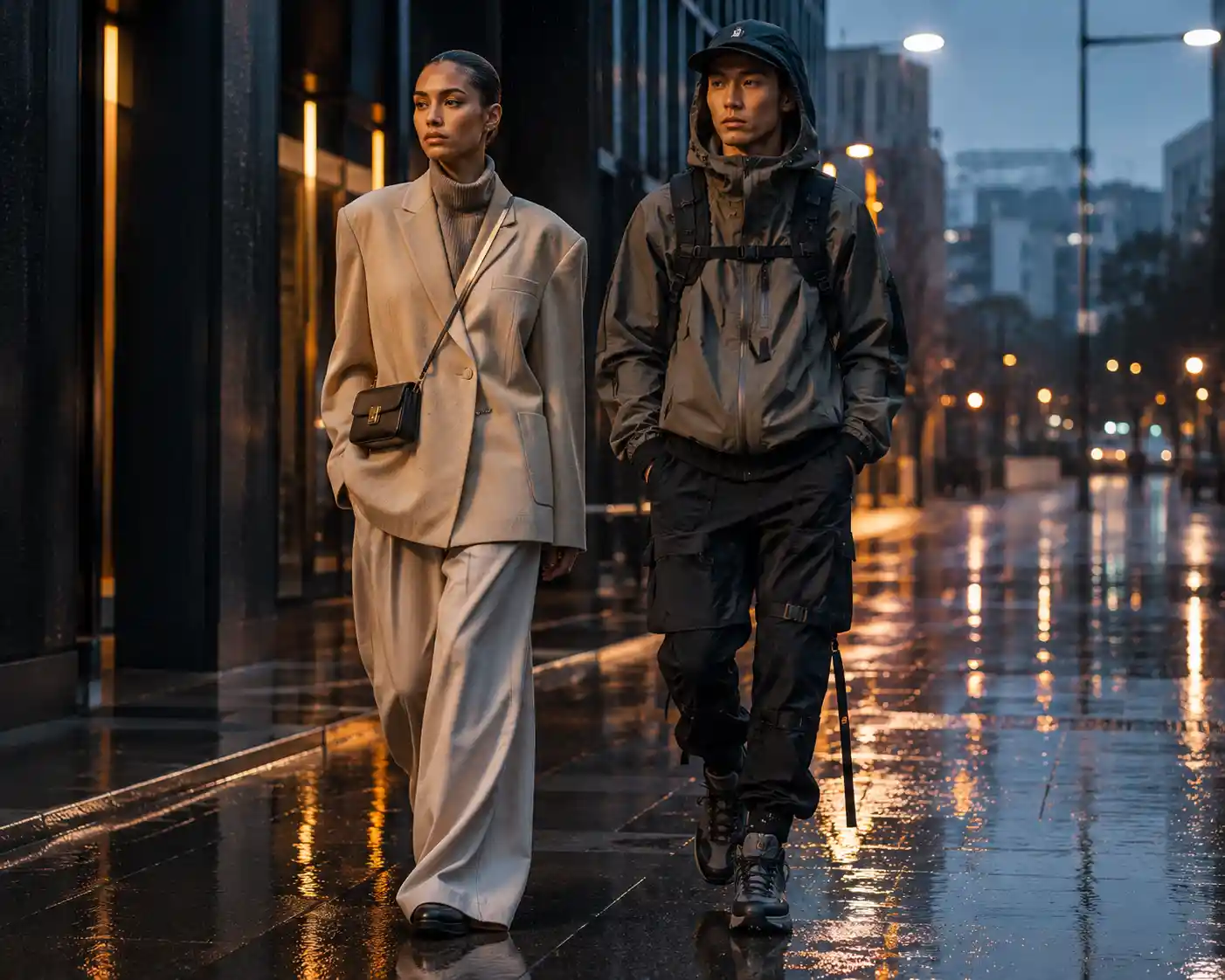
Men’s and women’s tailoring witnessed a profound renaissance. Structured shoulders, double-breasted blazers, relaxed-pleat trousers, and premium cashmere coats became staple pieces. Connoisseurs of classic menswear turned toward legendary heritage tailoring, embracing pieces like hickey freeman sport coats elevate your style with timeless elegance to achieve effortless sophistication. This movement honored the architectural silhouettes of classic decades, echoing the timeless precision of 1950s men s fashion suits the ultimate style guide to iconic elegance while incorporating lightweight, breathable fabrics suited for modern life.
Quiet luxury is not about minimalism alone; it is about intentional curation. Styling a crisp poplin shirt with fluid wide-leg wool trousers and leather loafers created an aesthetic of effortless confidence that resonated across international business hubs and cultural capitals alike.
Digital Aesthetics and the Viral Influence of Social Media
While legacy runways dictated luxury themes, digital platforms decentralized trendsetting power. Creative communities in East Asia and beyond revolutionized viral style propagation. The global fashion discourse was heavily impacted by algorithmic style curation, particularly through viral beauty and styling challenges originating on short-form video platforms, illustrating the profound douyin meaning fashion understanding the cultural phenomenon shaping global trends across international borders.
Digital style culture also reignited interest in niche, narrative-driven subcultures. Romantic aesthetics flourished, with delicate laces, pastel palettes, vintage ribbons, and whimsical layers gaining mainstream popularity. Enthusiasts discovered expressive avenues through specialized subcultures such as exploring otome fashion the ultimate style for romantic dreamers, proving that fashion enthusiasts crave imaginative storytelling in their daily ensembles.
The speed at which runway looks translated into wearable community aesthetics turned every digital creator into a personal stylist. Even word-game enthusiasts and pop-culture followers found style integrated into everyday puzzles, dissecting clues like the paloma of fashion crossword unraveling the trend behind the puzzle to engage with iconic industry personalities.
Outdoor Utility, Gorpcore, and High-Altitude Runways
Functionality merged with high-fashion runways in unprecedented ways. The “Gorpcore” movement—incorporating outdoor technical gear, weatherproof membranes, cargo pockets, and trail-ready footwear into urban street style—reached its absolute peak. Technical apparel was no longer reserved for wilderness expeditions; it became the uniform of urban commuters and style innovators.
Major design houses took outdoor utility to alpine heights. Luxury brands staged dramatic mountain presentations, exemplified when guess showcases ski collection with high altitude fashion show spectacles that blurred the line between extreme weather performance gear and luxury apres-ski couture. Technical parkas, thermal base layers, and reflective shell jackets were redesigned with architectural silhouettes and high-grade waterproof textiles.
This functional aesthetic also influenced casual summer wardrobes. Playful yet comfortable athletic apparel gained widespread traction, with novelty leisurewear like baseball lifestyle donut shorts the ultimate summer statement piece capturing casual vacation vibes and relaxed streetwear energy.
The Evolution of Runway vs. Streetwear Trends
The relationship between elite runway couture and grassroots streetwear reached an exciting equilibrium. To better understand how key garment categories evolved, consider this comparative breakdown:
| Garment Category | Traditional Perspective | Modern 2024 Dynamic Trend Direction |
|---|---|---|
| Tailoring & Blazers | Stiff, form-fitting, formal office wear. | Oversized shoulders, relaxed drapery, day-to-night versatility. |
| Streetwear Bottoms | Skinny denim and basic sweatpants. | Wide-leg cargo pants, pleated trousers, modular utility bottoms. |
| Color Palette | Monochromatic black or bright neons. | Earthy moss greens, warm terracottas, buttery yellows, metallic silvers. |
| Footwear | Single-purpose dress shoes or running sneakers. | Hybrid trail-runners, lug-sole loafers, sculptural mules. |
This dynamic synthesis highlighted the broader shift within global commerce, where brands adopted a sustainable business architecture triple bottom line to balance creative innovation, economic growth, and environmental accountability.
The Complete Look: Accessories, Jewelry, and Beauty Integration
No fashion movement is complete without its accompanying accessories and beauty philosophy. The modern style approach emphasized holistic harmony between clothing, skincare, statement accessories, and grooming. A well-curated outfit was viewed as an interconnected ecosystem of lifestyle choices.
In the realm of accessories, cultural jewelry designs experienced a remarkable surge. Ornate metallic craftsmanship, intricate filigree, and statement ear pieces became focal points for both traditional celebrations and contemporary evening wear, leading style seekers to explore the latest indian earrings discover the ultimate trends for 2025 to add regal sophistication to modern silhouettes.
Simultaneously, the beauty industry pivoted toward the “skin-first” philosophy. Heavy, layered foundations were replaced by radiant, glowing complexions achieved through nourishing primers and hybrid skincare cosmetics like gee beauty prime skin unlock the secret to radiant and youthful skin. Beauty shoppers sought out specialized retail hubs, discovering niche formulations through reliable destinations such as us beauty supply compton your ultimate destination for premium beauty essentials and sourcing diverse multicultural products via odaa beauty supply your ultimate destination for high quality beauty products.
Seasonal Experiences, Luxury Retail, and Experiential Fashion
Fashion in this dynamic year transcended garments on a hanger; it transformed into immersive lifestyle experiences. Flagship boutiques and premier retail hubs created interactive physical spaces designed to stimulate the senses and connect deeply with community traditions.
Iconic shopping centers integrated holiday pageantry, fashion runways, and musical celebrations into unforgettable public spectacles, such as the widely celebrated experience the magic of fashion island tree lighting a holiday spectacle like no other. These community gatherings reinforced the role of retail districts as cultural centers where fashion, hospitality, and seasonal cheer converge.
Discerning shoppers also embraced curated boutique shopping environments, elevating their daily aesthetic through luxury retail spots like avanti lifestyle shop elevate your everyday with luxury style. Concurrently, consumers recognized that wellness and aesthetic care go hand in hand with style confidence, utilizing premier services at facilities like discover the expertise of fashion island surgery center your path to aesthetic transformation to enhance self-care routines.
The Intersection of Athletic Spectacles and High-Fashion Branding
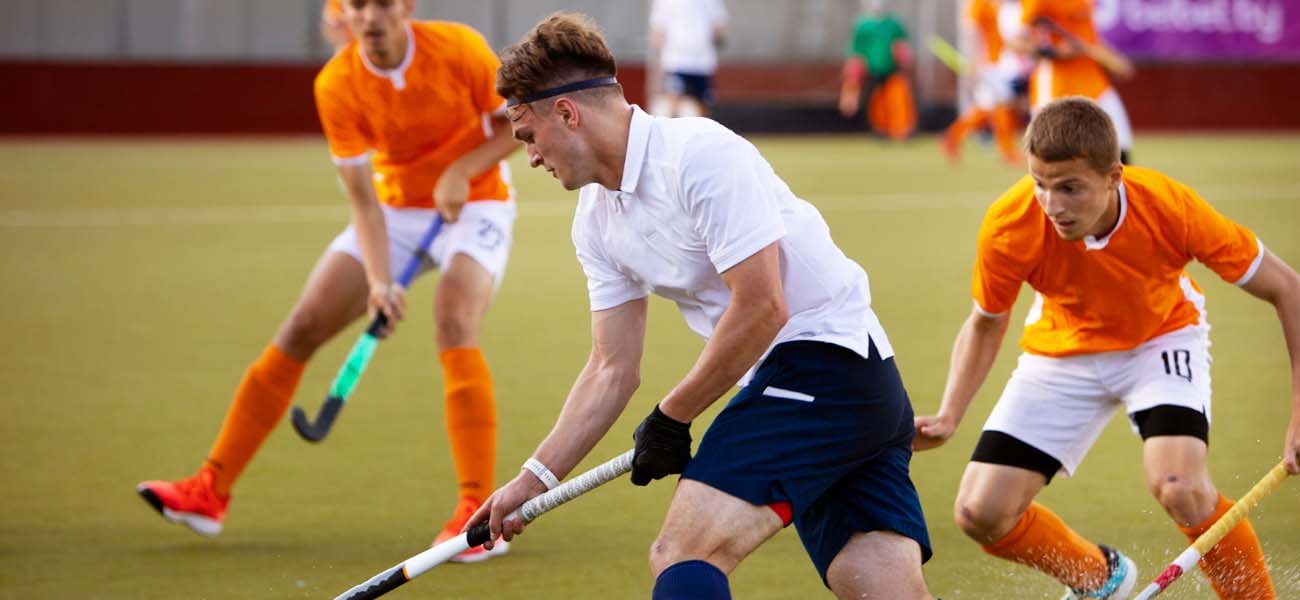
Global sporting events became monumental fashion showcases. Athletic apparel merged seamlessly with haute couture as international sports icons took center stage as luxury brand ambassadors and trend architects.
Major international tournaments sparked intense debates around uniform design, athletic corporate sponsorships, and environmental conditions, as highlighted during the discussions surrounding the concerns and controversies at the 2024 summer olympics. High-performance sports apparel transitioned from track fields directly into luxury runway capsule collections, cementing athletic wear as a permanent fixture of contemporary fashion prestige.
Modern consumers sought full-spectrum lifestyle enrichment, pairing their personal style with active travel adventures to unlock unforgettable moments with lifestyle xperiences 365 live fully across scenic global destinations.
E-Commerce, Digital Marketing, and Sustainable Consumer Behavior
The global retail landscape embraced digital transformation to deliver personalized shopping experiences. Fashion houses leveraged artificial intelligence, augmented reality fitting rooms, and predictive logistics to optimize inventory and reduce overproduction waste.
Modern fashion retailers achieved unprecedented audience reach by redefining ecommerce excellence the role of advanced digital marketing strategies. By tailoring content to consumer micro-segments, fashion brands connected directly with conscious shoppers seeking ethical supply chains, circular fashion programs, and transparent garment origins.
Digital marketing strategies empowered independent sustainable brands to compete on a level playing field with legacy fashion giants. Transparency around organic fabric certifications, fair wage practices, and recycled material percentages became primary selling propositions for modern consumers.
The Lasting Legacy: 2024: A Year of Dynamic Fashion Trends in Perspective
As we reflect on this remarkable stylistic chapter, it is clear that 2024: a year of dynamic fashion trends redefined the relationship between individual identity, technological innovation, and classic craftsmanship. It dismantled outdated fashion dogmas in favor of fluid, expressive, and practical wardrobe solutions.
The legacy of this era lies in its fearless embrace of contrasts: tailoring paired with streetwear, technical gorpcore styled alongside quiet luxury, and ancient cultural jewelry complementing forward-thinking digital aesthetics. Fashion proved once again that true style is not about rigid conformity, but about having the freedom and creativity to curate one’s own visual story.
Frequently Asked Questions (FAQs)
What were the most dominant style movements in 2024?
The most prominent movements included quiet luxury (understated high-end tailoring), Gorpcore (functional outdoor gear integrated into urban street style), romantic subcultures with delicate textures, and hyper-digital aesthetics driven by viral short-form video platforms.
How did sustainable practices impact modern fashion trends?
Sustainability shifted from a niche marketing term into a fundamental consumer expectation. Shoppers prioritized durable capsule wardrobe pieces, transparent supply chains, organic and upcycled fabrics, and vintage archival shopping over disposable fast fashion.
How did menswear evolve during this dynamic style year?
Menswear embraced relaxed structural silhouettes, softer tailoring, wide-leg trousers, and vintage heritage sport coats. The rigid corporate suit was replaced by versatile, modular pieces that effortlessly transitioned between professional settings and casual social environments.
What role did digital culture play in shaping global trends?
Digital media platforms democratized trend creation, allowing micro-aesthetics and regional subcultures from around the world to achieve global popularity in days, making style inspiration more decentralized and diverse than ever before.