
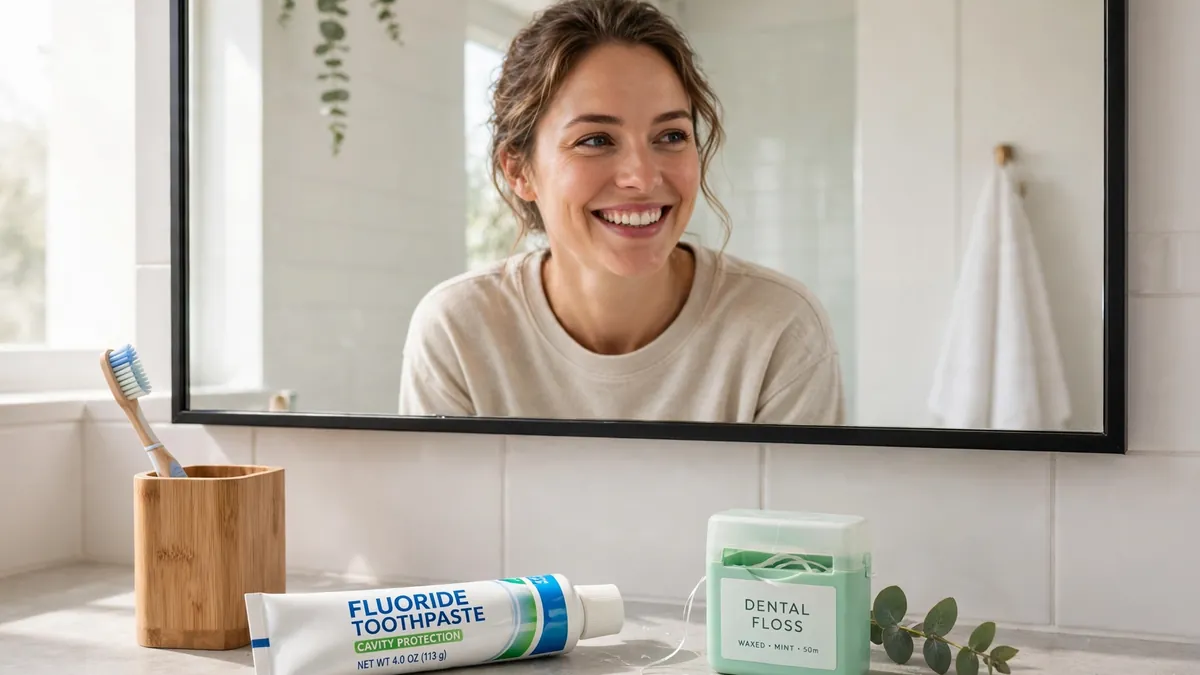
Cavities rarely arrive without any warning at all. Usually, they build slowly through small daily choices and missed habits. However, that slow build is also very good news. In fact, it means simple routines can change the outcome. Therefore, learning how to prevent cavities is mostly about consistency. Moreover, you do not need expensive products or complex routines. Instead, you need a clear system that you repeat daily.
This guide gives you that system in a practical list. Firstly, it explains how decay starts inside your mouth. Secondly, it walks through a full daily dental care routine. Additionally, it covers food, fluoride, dry mouth, and family care. Finally, it helps you spot risk early and act sooner. Altogether, these tooth decay prevention tips suit adults and children alike.
How do cavities actually form in your mouth?
Firstly, your mouth naturally contains many types of bacteria. Some bacteria feed on sugars and starches left on teeth. Consequently, they produce acids that attack your tooth enamel. Enamel is the hard outer layer that protects each tooth. However, repeated acid attacks gradually weaken that protective layer. Eventually, a small hole can form, and that hole is a cavity.
Moreover, your saliva normally helps to repair early damage. Saliva washes away food and also neutralises harmful acids. In addition, saliva supplies minerals that support your enamel daily. Therefore, your mouth already has a natural defence system. Nevertheless, frequent sugar and poor cleaning can overwhelm that system. As a result, prevention means supporting saliva and limiting acid attacks.
1. Brush twice a day with the right technique
Brushing is the foundation of every strong prevention routine. Specifically, you should brush in the morning and before bed. Night brushing matters most, because saliva slows during sleep. Therefore, food left overnight gives bacteria much more time. Moreover, a gentle technique protects both enamel and gums. Indeed, hard scrubbing can wear enamel and irritate gum tissue.
For example, hold your brush at a slight angle to gums. Then, use small circular movements across every tooth surface. Additionally, brush your tongue gently to reduce odour and bacteria. Furthermore, spend enough time to reach your back molars properly. Those back teeth trap food easily and decay quite often. Consequently, rushing your brushing leaves the riskiest areas untouched.
Also, replace your brush when the bristles look worn. Worn bristles clean poorly and can feel harsh as well. Similarly, replace your brush after illness as a sensible habit. In fact, a fresh brush simply makes thorough cleaning easier. Therefore, keep a spare brush at home for timely swaps.
2. Clean between your teeth every single day
Brushing alone cannot reach the tight spaces between teeth. However, plaque builds up quickly in exactly those hidden spaces. Therefore, interdental cleaning is essential, not an optional extra. Floss, interdental brushes, and water flossers all help here. Moreover, each tool suits different gaps and personal preferences. Indeed, the best tool is the one you use daily.
Many people ask about how often to brush and floss in practice. Generally, brush twice daily and clean between teeth once daily. Additionally, cleaning before bed often works best for most families. For example, an interdental travel brush for fresh teeth on the go suits travel and work bags. Similarly, keeping floss beside your toothbrush makes forgetting less likely. As a result, a visible prompt turns intention into habit.
Technique matters with floss just as much as frequency. Firstly, curve the floss gently around each tooth side. Secondly, slide it softly below the gumline without snapping. Furthermore, use a clean section for each new gap. Consequently, you move plaque away rather than spreading it around. Finally, expect mild tenderness at first if you are new. Nevertheless, see a dentist promptly if bleeding persists.
3. Use fluoride well and understand its role
Fluoride is a mineral that helps enamel resist acid attacks. Moreover, the fluoride toothpaste benefits go beyond simple cleaning action. Fluoride supports remineralisation, which repairs very early enamel damage. Therefore, choosing a fluoride toothpaste is a core prevention step. Additionally, spitting without heavy rinsing can leave fluoride working longer. However, always follow the guidance on your product label.
Children need closer supervision with toothpaste amounts and spitting. For instance, adults should supervise young children during every brushing session. Furthermore, teach children to spit rather than swallow toothpaste. Indeed, small habits learned early protect teeth for many years. Consequently, family brushing together can build those habits naturally.
Tap water can also play a helpful supporting role. Specifically, the fluoridated water benefits relate to frequent low-level exposure. Drinking water throughout the day bathes teeth gently and regularly. Moreover, water itself rinses away food and dilutes mouth acids. Therefore, plain water is the best everyday drink for teeth. In contrast, sugary drinks add fuel for decay-causing bacteria.
4. Cut sugar frequency, not just sugar amount
Most people focus only on how much sugar they eat. However, frequency often matters just as much as total amount. Every sugary bite or sip starts another acid attack. Consequently, constant grazing keeps your enamel under repeated pressure. In fact, your teeth get very little recovery time. Therefore, fewer sugar moments give saliva time to repair.
The link between sugary snacks and cavities becomes clearer here. For example, one dessert with a meal causes one attack. Alternatively, sipping a sweet drink all afternoon causes many attacks. Moreover, sticky sweets cling to teeth and stay much longer. Similarly, dried fruit can stick despite its healthy image. As a result, timing and stickiness deserve your attention too.
Practical swaps can reduce frequency without feeling overly restrictive. Firstly, keep sweet foods with main meals whenever possible. Secondly, choose water between meals instead of sweetened drinks. Additionally, finish a snack rather than grazing over several hours. Furthermore, rinse with water after sweet foods when out. Indeed, our guide to healthy bedtime snacks for kids and their costs shows thoughtful evening choices. Altogether, small timing changes protect enamel surprisingly well.
5. Know the foods that help and the foods that harm
Some foods challenge your teeth far more than others. Specifically, the main foods that cause tooth decay are sugary and sticky. Fizzy drinks, sweets, biscuits, and sweetened cereals feature often. Moreover, refined starches like crisps can linger between teeth. Therefore, regular intake of these foods raises decay risk. However, occasional enjoyment with meals is a different pattern.
Other foods actively support a healthier mouth environment instead. For example, cheese, plain yoghurt, and milk suit many diets. Crunchy vegetables also encourage saliva flow during chewing. Additionally, fibrous foods help clear loose debris from teeth. In fact, a simple homemade applesauce made with a food mill can replace heavily sweetened desserts. Similarly, whole fruit is preferable to fruit juice for teeth.
Restaurant meals deserve the same calm and balanced awareness. For instance, our breakdown of pizza calories slice by slice shows how portions shape overall intake. Starchy bases can stick, especially when topped with sweet sauces. Therefore, drink water with such meals and brush later. Nevertheless, wait a short while after acidic foods before brushing. Consequently, you avoid brushing softened enamel too aggressively.
6. Drink water often and rinse after meals
Water is the simplest daily habit on this entire list. Firstly, water rinses away loose food after eating and drinking. Secondly, water helps your mouth recover from acid attacks. Moreover, staying hydrated supports healthy saliva flow throughout the day. Therefore, keep water nearby at work, school, and home. Indeed, easy access makes this healthy habit almost automatic.
Rinsing is especially useful when brushing is not possible. For example, rinse after lunch at work or school. Additionally, rinse after coffee, juice, or a sweet snack. However, rinsing never replaces proper brushing and interdental cleaning. Instead, it works as a helpful support between brushings. As a result, your enamel faces shorter acid exposure periods.
7. Tackle dry mouth before it raises your risk
Saliva protects your teeth far more than most people realise. Consequently, the dry mouth and cavity risk connection is important. Without enough saliva, acids stay longer on tooth surfaces. Moreover, food debris clears more slowly from your mouth. Therefore, persistent dry mouth deserves attention and practical action. Indeed, many medicines and mouth breathing can contribute to dryness.
Simple steps can ease dryness during the day and night. Firstly, sip water regularly rather than waiting for thirst. Secondly, breathe through your nose whenever you possibly can. Additionally, sugar-free gum can encourage saliva after meals. Furthermore, talk to your dentist or doctor about persistent dryness. For example, a review at a centre like Chafee Health Center and its healthcare services can prompt wider health checks. Altogether, treating dryness protects teeth and improves comfort.
8. Build a morning and night routine you will keep
A routine works only when it fits your real life. Therefore, anchor dental care to habits you already have. Morning brushing can follow breakfast or your morning wash. Night cleaning can happen just before you get into bed. Moreover, keeping tools visible makes the routine much easier. In fact, hidden floss in a drawer is easily forgotten.
Your morning routine can stay refreshingly short and simple. Firstly, brush thoroughly with fluoride toothpaste for good coverage. Secondly, clean your tongue and rinse lightly with water. Additionally, fill a bottle with water for the day ahead. Consequently, you start the day with a clean mouth. Similarly, you set up healthier choices for later hours.
Your night routine deserves slightly more care and attention. Firstly, clean between your teeth before you brush. Secondly, brush every surface slowly, including back molars. Furthermore, spit out excess toothpaste without heavy rinsing afterwards. Finally, avoid sweet snacks and drinks after this final clean. Indeed, a guide like our look at Aza Health Palatka and community wellness care highlights prevention as everyday care. As a result, overnight protection becomes your strongest daily win.
9. Protect remineralisation with steady daily habits
Enamel can repair very early damage through a natural process. Dentists call this process remineralisation, and saliva drives it. Moreover, fluoride and minerals in saliva support that repair. Therefore, how to remineralise teeth habits focus on daily support. Specifically, you limit acids and give repair time to work. Consequently, prevention and repair happen together every single day.
Several habits support this repair process in practical ways. Firstly, avoid constant snacking between your main meals. Secondly, choose water as your main drink each day. Additionally, use fluoride toothpaste consistently in the morning and night. Furthermore, enjoy calcium-rich foods if they suit your diet. In fact, balanced meals support both general and oral health. Similarly, judging health products carefully matters, as our Vimerson Health supplement reviews and buying checks explain clearly. Altogether, steady habits beat occasional intense efforts every time.
10. Check your personal risk with an honest checklist
Prevention becomes easier when you know your own risk level. So, who is at higher risk for cavities in practice? Several everyday factors can raise your personal risk noticeably. Moreover, recognising them early lets you strengthen your routine. Therefore, read this checklist and note your own answers honestly.
- You snack or sip sweet drinks several times daily.
- You often skip flossing or interdental cleaning at night.
- Your mouth frequently feels dry during the day.
- You have deep grooves or crowded teeth that trap food.
- You wear braces, aligners, dentures, or dental appliances.
- You have had several fillings in recent years.
- Your gums have receded and exposed softer tooth roots.
- You rarely visit a dentist for routine check-ups.
Each yes answer points to a habit worth improving. However, a higher risk does not mean cavities are inevitable. Instead, it means your daily routine needs extra consistency. Moreover, your dentist can suggest tailored prevention for your mouth. For example, professional fluoride or sealants may suit some people. Consequently, a personal plan always beats generic advice alone.
11. Give children extra structure, supervision, and patience
Children need the same protection, delivered in an age-appropriate way. Indeed, cavity prevention for children starts with routine and supervision. Young children cannot clean every surface effectively on their own. Therefore, adults should help and check brushing for years. Moreover, children copy what they see adults doing daily. As a result, brushing together builds skills and healthy expectations.
Food routines matter enormously for children throughout the day. Firstly, limit sweet drinks in bottles and sippy cups. Secondly, avoid sending children to bed with sweet drinks. Additionally, keep regular meal and snack times at home. Furthermore, offer water freely between those planned eating times. Consequently, young teeth face fewer acid attacks each day. Similarly, school lunchboxes deserve the same thoughtful planning.
School and travel days need simple backup plans too. For instance, pack water and a tooth-friendly snack option. Moreover, remind older children to rinse after sweet treats. In fact, families planning family visits across the UK can pack dental basics alongside tickets. Therefore, holidays need not undo good home routines. Altogether, consistency at home and away protects growing smiles.
12. Ask about sealants and professional prevention options
Dentists can add extra protection to vulnerable chewing surfaces. Specifically, dental sealants for adults and kids cover deep molar grooves. Those grooves trap food and bacteria very easily at home. Moreover, sealants act as a smooth barrier over those grooves. Therefore, cleaning those back teeth becomes much easier afterwards. However, only a dentist can judge suitability for you.
Children often receive sealants on newly erupted permanent molars. Adults with deep grooves may also discuss this option. Additionally, professional fluoride treatments may suit higher-risk patients. Furthermore, regular examinations allow early problems to be spotted sooner. Indeed, prevention appointments are usually simpler than later treatment. Consequently, ask your dentist what prevention suits your family. Finally, keep appointments even when your mouth feels completely fine.
13. Learn the early signs so you can act fast
Early decay does not always cause pain or sensitivity. Therefore, knowing the early signs of tooth decay really helps. White spots near the gumline can signal early mineral loss. Moreover, brown or dark spots may suggest progressing damage. Additionally, sensitivity to sweet or cold foods can appear. In fact, food trapping repeatedly in one spot also matters.
Other signs deserve prompt professional attention as well. For example, a rough edge or small hole needs checking. Similarly, persistent bad breath can accompany plaque build-up issues. Furthermore, pain when biting should never be ignored at home. Consequently, book a dental appointment if you notice changes. Nevertheless, do not try to diagnose or treat decay yourself. Instead, let a dentist examine and advise you personally.
What does a simple weekly rhythm look like?
Daily habits do the heavy lifting for cavity prevention. However, a brief weekly review keeps your system on track. Firstly, check your toothpaste and floss supplies every week. Secondly, notice whether you skipped night cleaning at all. Additionally, review sweet drinks and snacks without any self-criticism. Moreover, replace worn brushes and restock interdental tools promptly. Therefore, small weekly checks prevent longer lapses from forming. Finally, celebrate consistency, because steady routines protect smiles quietly.
Key takeaways for cavity-free daily living
Learning how to prevent cavities does not require perfection daily. Instead, it requires a repeatable routine that you mostly keep. Brush twice, clean between teeth, and use fluoride consistently. Moreover, reduce sugar frequency and choose water most often. Additionally, watch dry mouth, personal risk, and early signs. Furthermore, support children with supervision, structure, and good modelling. Consequently, your enamel gets daily protection and valuable repair time.
Please see a dentist for personal advice about your teeth. In particular, seek care promptly for pain or visible decay. A dentist can confirm what is happening inside your mouth. Moreover, professional advice will always beat general guidance for individuals. Therefore, use this guide as daily support, not medical diagnosis. Indeed, your healthiest smile grows from habits plus professional care.
Explore more practical guides on WordGlowUp.



